
Dental Implants and Implant Dental Laboratory
Dental implants have become a widely used solution for restoring missing teeth, often involving coordination between general dentists, implant specialists, and dental laboratories. For general dentists, understanding when to refer, how cases are planned, and what factors influence restorative outcomes is important for long-term success. While surgical placement is typically performed by a specialist, the restorative phase requires careful consideration of preparation, material selection, and laboratory workflow.
From a dental laboratory perspective, the quality of information received—such as impressions, scans, and case details—can directly affect the consistency and fit of the final restoration. Elements like margin clarity, occlusal space, and communication of design preferences all play a role in how the case is executed. This page provides general information intended to support dentists in understanding key aspects of implant cases from a laboratory-related standpoint.
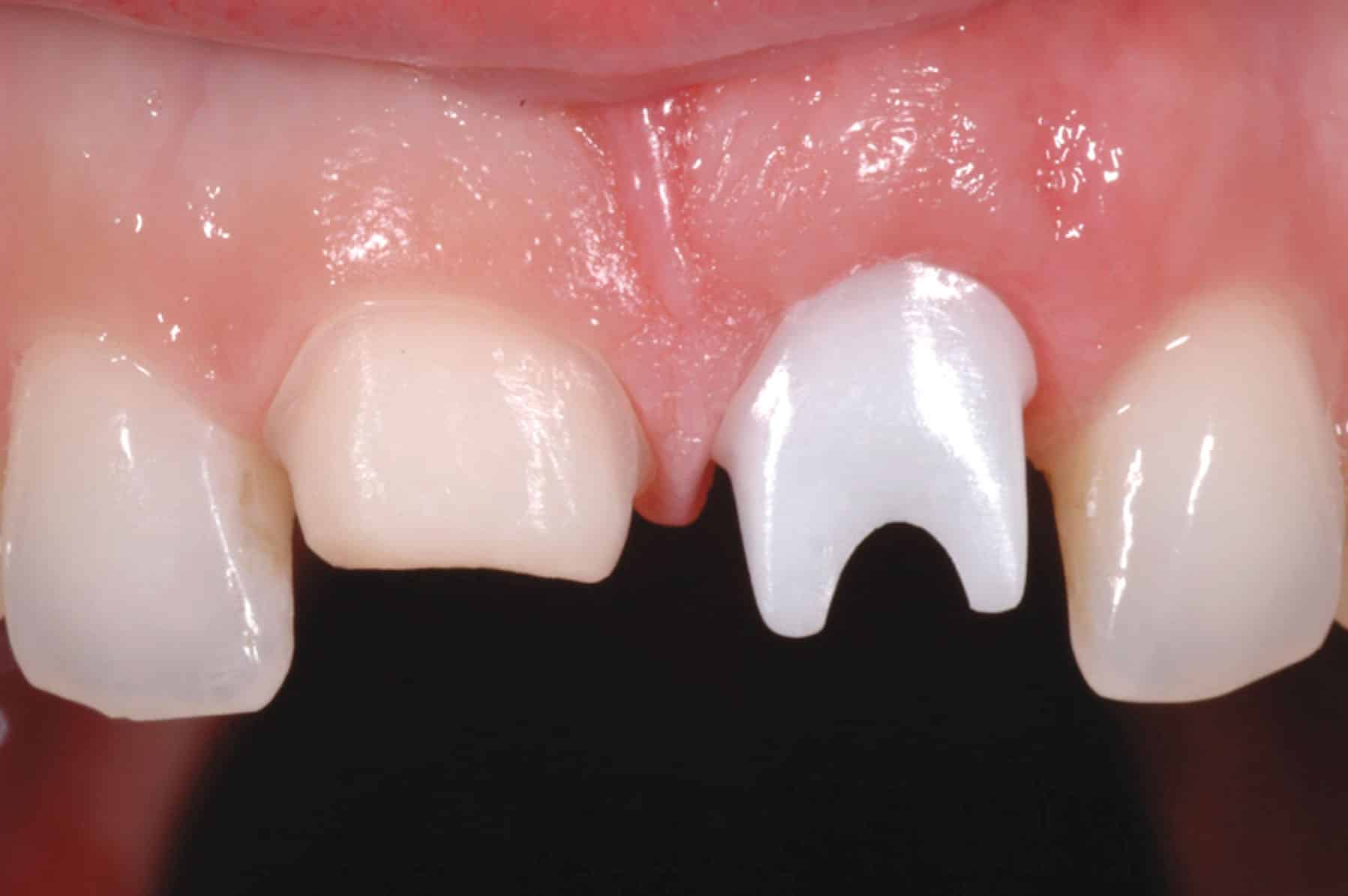
What General Dentists Should Know About Dental Implants
Proper implant placement at the initial stage can contribute to improved long-term oral health by supporting stable bone conditions, appropriate load distribution, and predictable restorative outcomes. When positioning is planned and executed correctly, it may reduce complications, minimize adjustments, and support overall function and maintenance over time.
Scope of Implant Treatment
Dental implant treatment typically involves surgical placement and a separate restorative phase. General dentists often manage diagnosis, initial planning, and final restoration, while specialists may perform the surgery. Understanding the division of responsibilities helps streamline workflow and expectations. From a laboratory standpoint, clarity in treatment sequence and timing supports more predictable restorative outcomes and reduces adjustments during delivery.
Case Selection Considerations
Appropriate case selection is a key factor in implant success. Bone volume, occlusion, soft tissue condition, and patient-specific factors all influence planning. General dentists should evaluate whether a case is suitable for referral and restoration. From a laboratory perspective, cases with well-defined parameters and clear restorative goals tend to result in a more consistent fit and design execution.
Importance of Diagnostic Records
Comprehensive records, including digital scans, impressions, and imaging, are essential for planning and communication. These records help define restorative space, emergence profile, and alignment. From the laboratory side, complete and accurate records improve design precision and reduce remakes. Missing or unclear information can lead to delays or compromises in the final restoration.
Restorative Space and Occlusion
Adequate restorative space is critical for material selection and structural integrity. Limited occlusal clearance can restrict design options and affect long-term function. General dentists should assess space early in planning. From a laboratory perspective, sufficient room allows for proper contour, strength, and occlusal harmony in the final prosthesis.
Material Selection Factors
Material selection depends on clinical indication, esthetics, and functional demands. Zirconia is commonly used for strength and durability, while other materials may be selected based on case requirements. From the laboratory standpoint, clear direction on material preference and indication helps ensure the restoration aligns with clinical expectations.
Laboratory Communication and Workflow
Clear communication between the dentist and the laboratory is essential for efficient workflow. Providing detailed prescriptions, shade information, and design preferences helps minimize adjustments. From a laboratory perspective, consistent communication supports predictable outcomes and reduces turnaround time, especially in complex implant cases.
When to Refer Patients for Dental Implants
Referral for dental implants is often considered when patients present with missing teeth, esthetic concerns, or functional limitations that may benefit from implant-supported restorations. Early referral allows for proper evaluation of bone volume, anatomical considerations, and overall treatment planning. Cases involving limited bone, complex occlusion, or higher esthetic demands—particularly in the anterior region—may benefit from specialist involvement to support optimal positioning and long-term outcomes. Patient-specific factors such as medical history and healing capacity should also be considered during the decision process. From a dental laboratory perspective, timely referral and coordinated planning between the general dentist and specialist can support more predictable restorative design, material selection, and fit. Establishing clear treatment objectives early helps align surgical placement with restorative requirements, contributing to a more consistent workflow and overall case execution.
Indicators for Implant Referral
General dentists may consider referral when clinical findings suggest that implant placement, positioning, or long-term restoration would benefit from specialist evaluation. Indicators can include missing teeth with limited restorative options, reduced bone volume, esthetic demands, or complex occlusal conditions. Early identification and referral can support coordinated planning and improve alignment between surgical placement and restorative requirements.
Case Selection Considerations for Implant Referral
Case selection is an important step when considering referral for dental implant treatment. General dentists may evaluate factors such as bone volume, soft tissue condition, occlusion, and available restorative space before determining whether a case is appropriate for implant placement. Patient-specific considerations, including medical history, oral hygiene, and expectations, can also influence the decision-making process. Early assessment of these elements can help identify potential limitations and guide referral timing.
From a dental laboratory perspective, well-defined case parameters and clear restorative objectives can support more predictable outcomes. Adequate space for restoration, proper alignment, and consideration of material requirements all contribute to the design and fabrication process. While not all factors are visible at the laboratory stage, initial case selection plays a key role in establishing conditions that support consistent fit, function, and long-term maintenance.
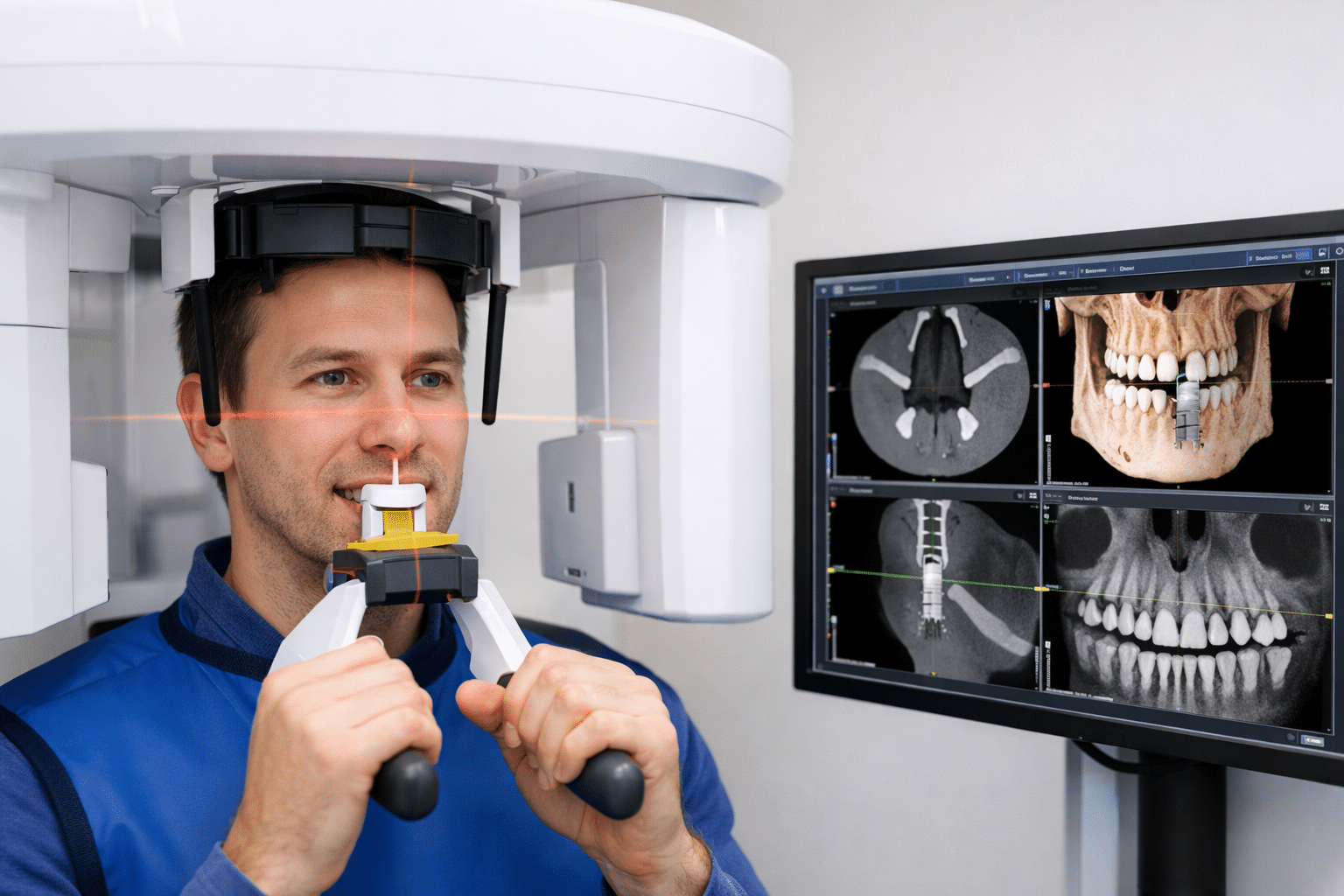
Role of CBCT in Implant Planning
CBCT imaging is commonly used in implant planning to provide three-dimensional visualization of bone structure, anatomical landmarks, and spatial relationships. This information may assist in evaluating bone volume, angulation, and proximity to critical structures such as nerves or sinuses. For general dentists and specialists, CBCT data can support more informed treatment planning and help guide implant positioning.
From a dental laboratory perspective, CBCT imaging can contribute to a more coordinated workflow when combined with digital scans and restorative planning. Accurate imaging may support the development of surgical guides and help align implant placement with restorative requirements. While CBCT is one component of the overall planning process, it can provide valuable information that supports consistency in design and execution. Final decisions should be made based on clinical judgment and individual patient conditions.
Implant Surgical Guide with Sleeve and Its Role in Guided Surgery
Implant surgical guides with sleeves are commonly used in guided surgery to support positioning and angulation during implant placement. These guides are typically fabricated using CBCT data combined with digital scans, allowing planning to be translated into a physical guide. The metal sleeve serves as a reference for drilling, helping maintain the planned depth and trajectory.
From a dental laboratory perspective, accurate data and proper alignment between imaging and digital impressions are important for guide fabrication. Well-designed guides can support consistency between planned and actual implant positioning, which may contribute to more predictable restorative conditions. While surgical guides are one component of the overall process, their use may assist in coordinating surgical placement with restorative requirements. Final clinical decisions remain the responsibility of the treating provider.
Verifying Use of CBCT and Surgical Guide in Implant Placement
Referring dentists may consider confirming that implant planning includes CBCT imaging and the use of a surgical guide with a sleeve. CBCT data, combined with digital scans, can support planning, while a guide may help translate that plan during placement. From a laboratory perspective, alignment between imaging, guide design, and restorative objectives can contribute to more consistent positioning. Use of these tools may vary by case, and final clinical decisions remain the responsibility of the treating provider.
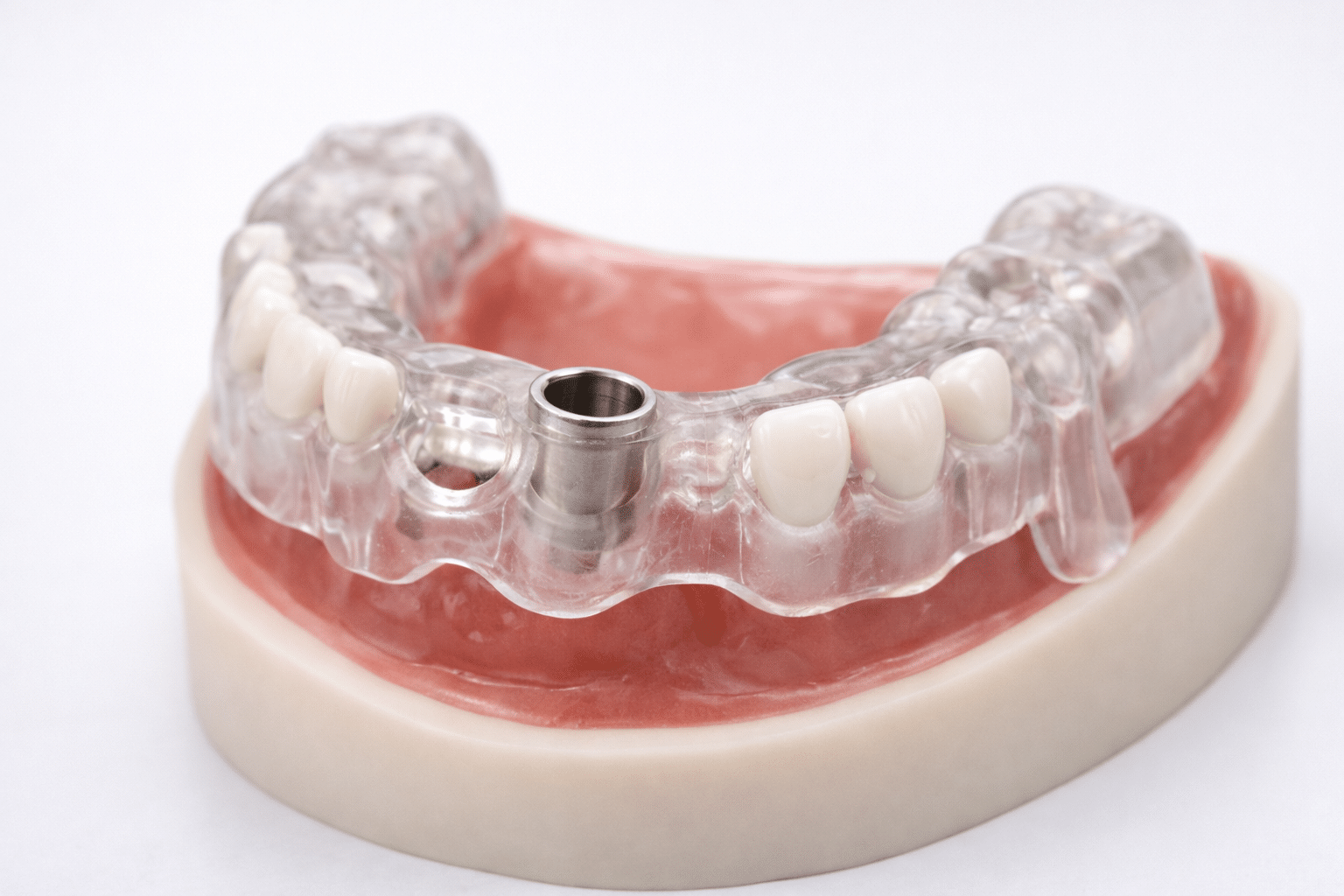
Implant surgical guide with metal sleeve positioned on model for guided implant placement
Tips for Successful Implant Restoration
Successful implant restoration often depends on coordination between planning, placement, and laboratory execution. From a dental laboratory perspective, clear and complete information—such as accurate impressions or digital scans, implant system details, and restorative space—supports consistency in design and fit. Proper use of components, including healing abutments and impression copings, can help establish soft tissue contours and emergence profile prior to final restoration. Adequate occlusal clearance and alignment are also important for material selection and long-term function. Early consideration of these factors may reduce adjustments during delivery and support a more predictable workflow. While many variables influence outcomes, attention to detail throughout each stage of the process can contribute to improved consistency in restorative execution. This information is provided for general reference, and final clinical decisions should be based on professional judgment and individual case conditions.
Implant Restoration from a Dental Laboratory Perspective
From a dental laboratory perspective, implant restoration focuses on translating clinical information into a functional and esthetic prosthesis. This process relies on the accuracy of submitted data, including impressions or digital scans, bite registration, and implant specifications. Elements such as margin definition, emergence profile, and occlusion are evaluated during design to support fit and function. Material selection is influenced by restorative space, load considerations, and esthetic requirements. Consistency in these inputs allows for more predictable fabrication and may reduce the need for chairside adjustments. However, laboratory observations are limited to the information provided and do not represent a full clinical evaluation. Coordination between the dentist, specialist, and laboratory can help align expectations and support a smoother restorative process from design through delivery. This perspective is intended as general information and should be considered alongside clinical evaluation and treatment planning.