
Free iTero scanner for implant dentists
Qualifications Required for the iTero Scanner Program
This program is available to qualified implant-focused practices that demonstrate consistency in clinical quality and case submission. Eligibility includes completion of a 5-case evaluation, alignment in communication and expectations, and the ability to maintain consistent implant case flow. The goal is to ensure that both the Practice and laboratory are well-matched before any scanner placement. This structured approach supports predictable outcomes, efficient case handling, and long-term partnership in implant dentistry.
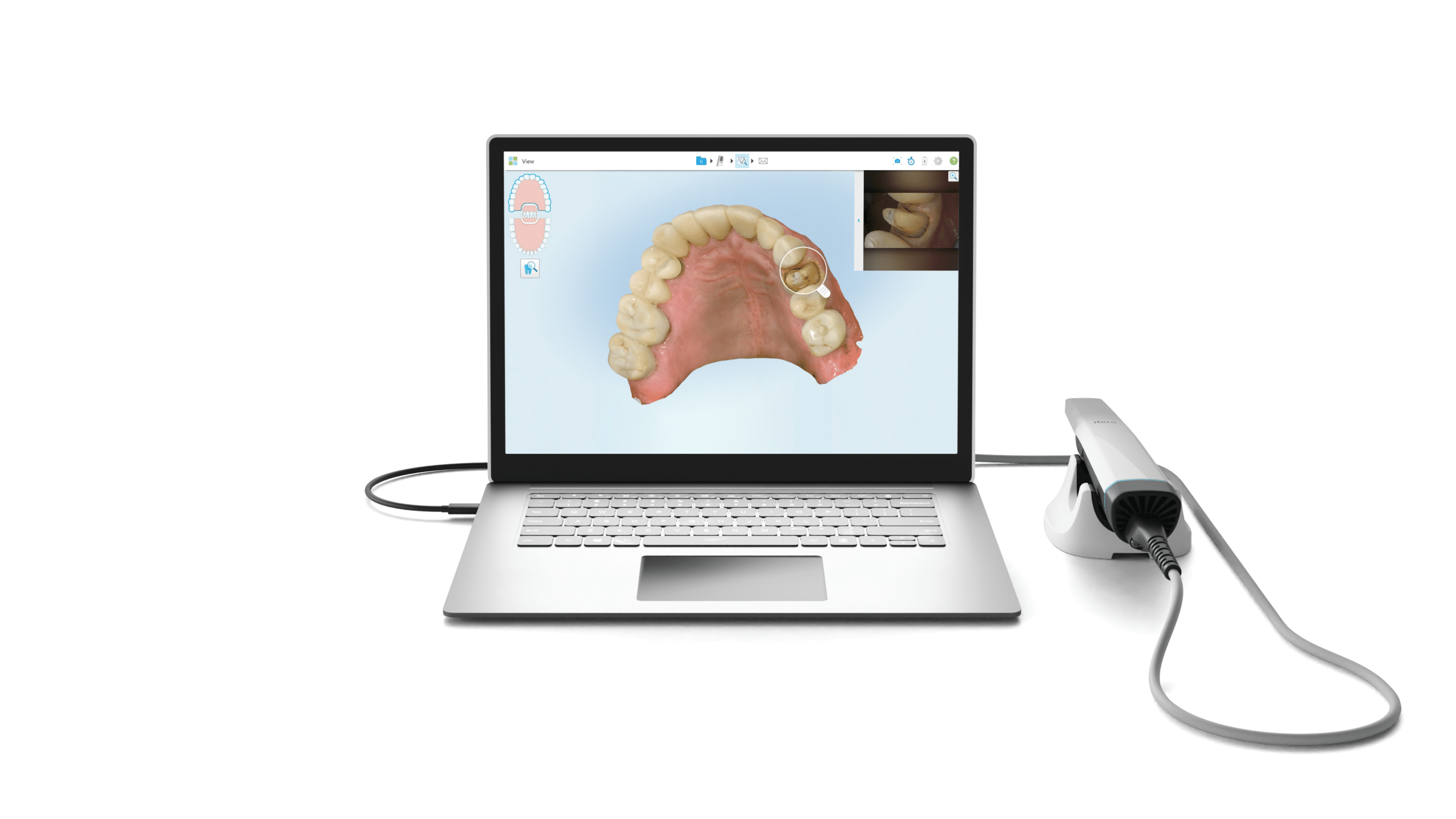
Why Implant Dentists Choose Our Implant Dental Laboratory

Implant dentistry requires precision, consistency, and reliable communication between the clinician and laboratory. Access to digital impressions alone is not enough without a lab that understands implant systems, components, and complex restorative requirements. This program is designed for implant dentists who require accurate fit, predictable outcomes, and consistent case support. By combining advanced iTero scanning with experienced implant laboratory support, practices can manage cases more efficiently while maintaining a high standard of clinical results.
Precision in Implant Restorations
Accurate implant restorations depend on precise data from the start. Digital impressions with the iTero Lumina scanner allow clinicians to capture detailed intraoral conditions, including margins, soft tissue, and implant positions. This reduces distortion commonly seen in traditional impressions and improves overall fit. Precise data enables the laboratory to design restorations that require fewer adjustments, improving efficiency and clinical outcomes.
Experience with Complex Implant Cases
Implant cases often involve multiple components, angulation challenges, and restorative considerations. A laboratory experienced in implant restorations understands how to manage these variables consistently. From single-unit restorations to more complex cases, proper planning and communication are critical. This program supports implant dentists by providing a lab partner capable of handling technical challenges while maintaining consistency across cases.
Consistent Communication and Case Planning
Clear communication between the clinician and laboratory is essential in implant dentistry. Digital impressions allow faster case transfer and easier collaboration. Detailed prescriptions, photos, and digital data help reduce misunderstandings and improve planning. This leads to fewer remakes and better outcomes. Consistent communication supports a more predictable process for both routine and complex implant cases.
Reduced Remakes and Chairside Adjustments
Digital impressions improve accuracy, which directly reduces remakes and chairside adjustments. Traditional impression errors, such as distortion or incomplete capture, are minimized. This leads to better-fitting restorations and less time spent adjusting contacts or occlusion. For implant cases, where precision is critical, reducing adjustments improves both efficiency and patient satisfaction.
Reliable Turnaround and Case Consistency
Consistency in case handling and turnaround time is essential for implant practices. Digital workflows streamline case submission and reduce delays associated with shipping traditional impressions. With predictable timelines, practices can schedule appointments more confidently. Reliable turnaround supports smoother operations and helps maintain patient satisfaction.
Long-Term Partnership for Implant Dentistry
This program is designed as a long-term partnership, not a short-term solution. Implant dentistry benefits from consistency in laboratory support and communication over time. A stable partnership allows the laboratory to better understand the clinician’s preferences, improving results with each case. This leads to more predictable outcomes and a more efficient overall process.
Implant Dental Laboratory for Complex and Consistent Results
An implant dental laboratory must deliver precision, consistency, and reliable communication to support modern implant dentistry. At The Art of Aesthetics, we focus on implant restorations that require accurate fit, proper occlusion, and long-term stability. From single-unit implant crowns to complex restorative cases, our laboratory works with detailed digital impressions to ensure predictable outcomes.
Using advanced digital scanning and design, we reduce common errors associated with traditional impressions and improve overall case accuracy. Each case is handled with attention to detail, ensuring consistent results across different implant systems and clinical situations. Our goal is to support implant dentists with a dependable laboratory partner that can manage both routine and challenging cases while maintaining a high standard of restorative quality.
Where Typical Implant Dental Laboratory Programs Fall Short
Many implant dental laboratory programs focus heavily on access to scanners, but that alone does not guarantee consistent results. Larger labs often emphasize speed and volume, which can limit attention to detail in implant restorations. Smaller, high-end labs may deliver excellent craftsmanship but often lack the infrastructure to support digital programs or advanced scanning technology. This creates a gap between technology and clinical execution. Without the right balance, practices may experience inconsistency, communication challenges, and unpredictable outcomes in implant cases, especially when managing more complex restorative situations.
Why iTero Is the Right Choice for Implant Dentistry
iTero is widely adopted in implant dentistry due to its accuracy, ease of use, and seamless integration with an implant dental laboratory. It captures detailed digital impressions, supports consistent communication, and improves predictability in implant restorations compared to many other scanning systems.
Accuracy That Supports Implant Fit
Implant restorations demand precision from the first scan. iTero captures detailed intraoral data, including margins, tissue contours, and implant positions, with high consistency. This level of accuracy reduces the distortion commonly associated with traditional impressions and some digital systems. For an implant dental laboratory, reliable scan data allows for more precise design and fabrication. The result is improved fit, fewer adjustments, and more predictable outcomes. Consistent accuracy is especially important when working across different implant systems and restorative situations.
Consistency in Digital Case Submission
Consistency is critical when working with an implant dental laboratory. iTero provides a standardized digital impression process that reduces variability between cases. Clinicians can verify scans in real time, ensuring completeness before submission. This minimizes errors and improves communication with the laboratory. Consistent case submission leads to more reliable results and smoother coordination between the Practice and the implant dental laboratory. Over time, this consistency supports better efficiency and fewer remakes.
Strong Integration with Laboratory Systems
iTero integrates well with many laboratory systems, allowing efficient transfer of digital impressions to an implant dental laboratory. This connectivity improves turnaround time and reduces delays associated with traditional impression shipping. Laboratories can access digital files quickly and begin case design without waiting for physical models. For implant cases, where timing and coordination are critical, this integration supports a more streamlined process. A well-integrated system helps maintain consistency across multiple cases and treatment stages.
Reliable Performance Across Implant Cases
Implant dentistry includes a wide range of cases, from single-unit restorations to more complex treatments. iTero provides reliable performance across these variations, supporting consistent data capture regardless of case complexity. This reliability allows the implant dental laboratory to work with dependable information, improving design accuracy and final outcomes. Practices benefit from fewer complications, reduced chairside adjustments, and more predictable restorative results across different implant scenarios.
Digital Impressions and Their Role in Implant Dentistry
Digital impressions have become a standard in modern implant dentistry, improving accuracy and reducing variability compared to traditional methods. An implant dental laboratory relies on precise scan data to design restorations that fit properly and function as intended. Digital capture allows clinicians to verify margins, soft tissue, and implant positions before submission, reducing the risk of incomplete or distorted impressions. This improves communication between the Practice and the implant dental laboratory, allowing for more consistent case execution. Digital files also support faster transfer and more efficient case planning. Over time, consistent use of digital impressions contributes to fewer remakes, better fit, and more predictable outcomes across implant cases, regardless of complexity.
The Importance of Laboratory Experience in Implant Cases
An implant dental laboratory must understand the complexities of implant systems, components, and restorative design. Implant cases often involve multiple variables, including angulation, occlusion, and soft tissue considerations. A laboratory with experience in implant restorations can anticipate challenges and plan accordingly. This reduces errors and improves the consistency of final restorations. Communication between the clinician and the implant dental laboratory is also critical, as detailed case information allows for better design decisions. Without this level of experience, even accurate digital impressions may not translate into predictable results. A knowledgeable laboratory partner helps ensure that each case is approached with the appropriate technical and clinical considerations.
Consistency Across Implant Systems and Case Types
Implant dentistry involves a wide range of systems, components, and restorative approaches. An implant dental laboratory must be capable of working across multiple implant platforms while maintaining consistency in results. This includes managing differences in connections, components, and restorative materials. Consistency is especially important when a Practice handles both routine and complex implant cases. The ability to deliver predictable results regardless of system or case type supports better clinical outcomes and reduces chairside adjustments. A consistent approach also allows the Practice to maintain efficiency and confidence in case planning. Over time, this stability becomes a key factor in building a reliable relationship with an implant dental laboratory.
Communication Between Clinician and Implant Dental Laboratory
Clear communication is essential for successful implant restorations. An implant dental laboratory depends on accurate case information, including prescriptions, scan data, and clinical notes. Digital impressions improve this process by allowing faster transfer of detailed information. However, communication still requires attention to detail from both the clinician and the laboratory. Proper case documentation reduces misunderstandings and helps ensure that restorations meet clinical expectations. Consistent communication also supports better planning for complex cases. When both parties maintain a clear and structured approach, the result is improved efficiency, fewer remakes, and more predictable outcomes in implant dentistry.

Predictability in Implant Restorations Through Digital Integration
Predictability is a key objective in implant dentistry, especially when managing complex restorative cases. An implant dental laboratory uses digital data to design restorations that align with clinical requirements and patient conditions. Digital integration allows for consistent case planning, improved accuracy, and better coordination between the Practice and the laboratory. This reduces variability and supports more reliable results. Over time, a structured digital approach contributes to improved efficiency and consistency across all implant cases. Predictability is not achieved through technology alone, but through the combined use of accurate digital impressions and experienced laboratory execution.
Not All Implant Dental Laboratories Are the Same
If you are placing implants and still adjusting contacts, margins, or occlusion chairside, the issue is not the implant system—it’s the laboratory. Most labs either prioritize volume or lack the ability to support complex implant restorations consistently. That leads to remakes, wasted chair time, and unpredictable results. This program is built differently. You get access to the latest iTero Lumina scanner and a laboratory focused on precision, consistency, and complex implant cases.
Start with 5 cases. No long-term commitment until both sides confirm the fit.