
Implant Dental Laboratory
The Art of Aesthetics is a high-end implant dental laboratory specializing in the restoration of leading implant systems worldwide. We provide advanced implant abutments including Encode, Atlantis, Azure, and Straumann, along with fully customized zirconia, hybrid, gold, and titanium patient-specific abutments. Worldwide delivery available.The Art of Aesthetics
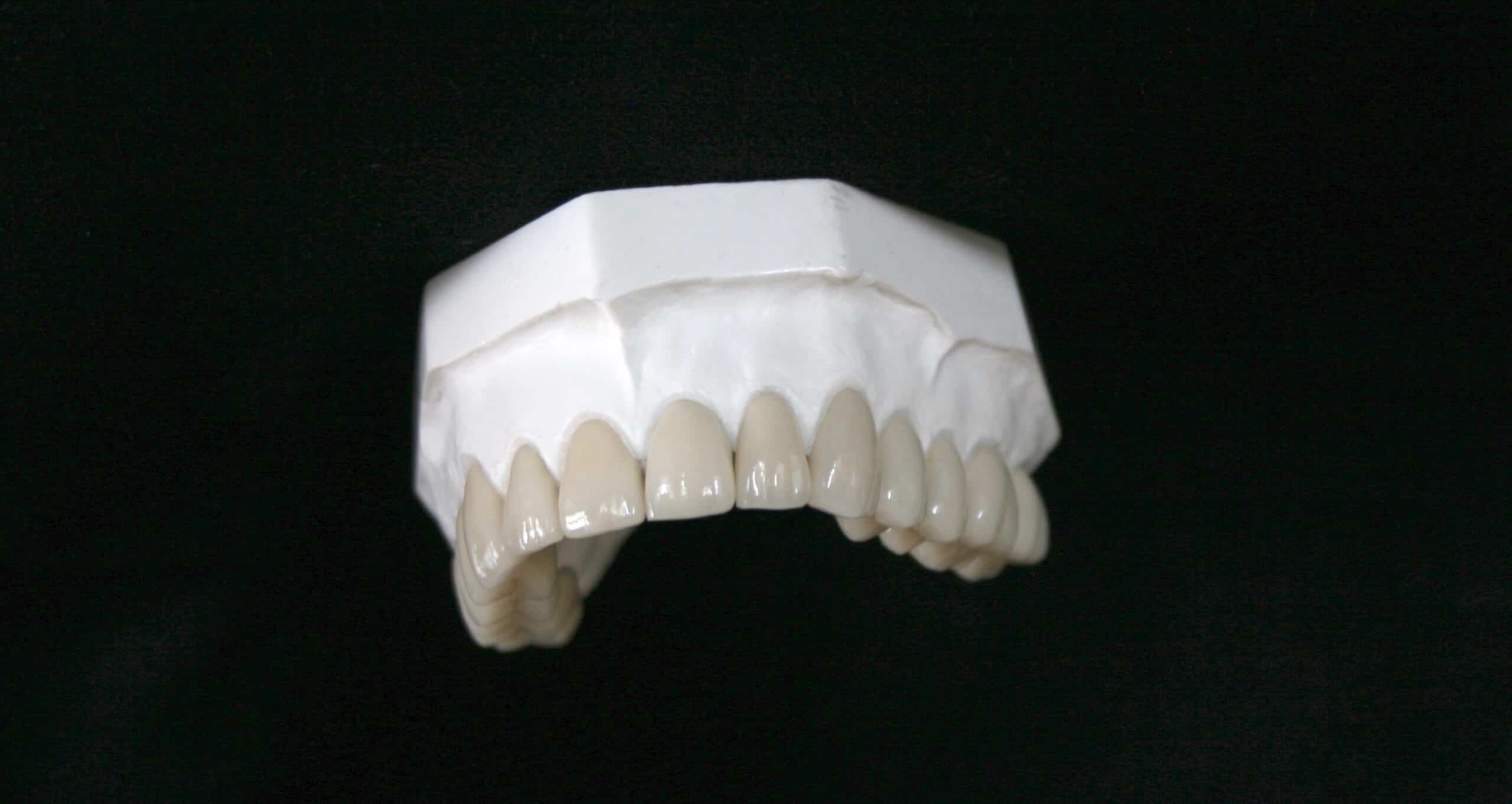
OUR CERAMISTS ARE THE UNDISPUTED MASTERS OF SMILE DESIGN, CARRYING ON DECADES OF TRADITION OF SUPERB CRAFTSMANSHIP EMBEDDED IN THEIR DNA.
The craftsmanship of our implant dental laboratory is unmatched, with proven consistency across complex implant restorations. Our design and results have been validated over years of clinical use. Review the testimonials and commendations from our clients.
Technology & Implant Dental Laboratory
Thanks to advancements in digital technology, implant restorations no longer require weeks of turnaround. Our implant dental lab utilizes fully digital workflows to deliver faster, precise, and consistent results. Digitally processed implant restorations improve accuracy while maintaining efficiency.
To ensure confidence in every case, patient-specific prosthetics are supported by comprehensive warranties through Atlantis or a lifetime warranty through ZimVie.
We invite you to start with a few cases and evaluate both of our expectations. Many clinicians begin by submitting selected implant cases to assess fit, esthetics, and overall consistency. Through this process, they gain a clear understanding of our workflow, communication, and attention to detail. After experiencing the quality and predictability of our results, many continue with a long-term partnership. If you need assistance connecting with The Art of Aesthetics implant dental laboratory, please let us know.
Master Craftsmanship in Implant Dental Laboratory
Our ceramists exemplify unparalleled expertise in smile design, carrying forward decades of tradition defined by exceptional craftsmanship intrinsic to their profession. This level of precision is applied to every implant restoration, where esthetics, function, and consistency must align.
The Art of Aesthetics is a high-end implant dental lab providing top-quality restorations and services worldwide. With over three decades of experience, we have supported dentists across the United States and internationally with consistent, reliable results. We do not compromise on quality or take shortcuts. Our work is grounded in formal education from a world-class dental technology program, reinforced by years of clinical application.
Our long-standing clients in Switzerland, France, Germany, Denmark, Sweden, Norway, the United Arab Emirates (Dubai), New Zealand, and across the European Union continue to rely on our lab for precision and consistency. For many of these regions, shipping is provided at no cost as part of our commitment to long-term partnerships.
01
Your success is ours
The Art of Aesthetics is a world-class implant dental lab dedicated to your success. Our success depends on yours, which is why we assign a senior technician to your clinic. This allows us to gain deeper insight into your preferences and deliver consistent, precise results.
02
Detail & Accuracy
Our technicians pay meticulous attention to tertiary anatomy, proper contacts, interproximal and occlusal relationships, and consistency—ensuring predictable results case after case. Custom shades, precise margins, and smooth, natural contours are executed with exacting precision.
03
Durable Foundation
A restoration cannot be judged by appearance alone. The true foundation is not visible, but it determines long-term performance. Our work is built to withstand years of function and clinical demand. We do not cut corners, and every restoration is completed with precision and consistency.
04
Integrity
At The Art of Aesthetics, we carefully select materials for dental implants. For example, all our materials are:
- U.S. FDA Approved/510(k) Cleared
- Latest Technology
- Clinically Proven
- Biocompatibility
- Aesthetics
- Longevity
- iDentAlloy® Certified Alloys
05
DIGITAL IMPLANT DENTAL LAB
As a digital implant dental laboratory, we accept intraoral scan files from major scanners, including:
- Certified 3Shape TRIOS® Ready Dental
- 3M Midmark True Definition Margin Marking
- Certified iTero caLABrate Laboratory
- Sirona CEREC inLab Connect Dental
- Any STL Formatted Files (Straumann, Medit, VivaScan)
06
GLOBAL IMPLANT Lab
Best of all, we ship to every corner of the world. Best of all, we have a free shipping program for our regular clients in:
- United States and Canada
- Qatar and the United Arab Emirates (Dubai)
- Auckland and other parts of New Zealand
- France, Germany, or Switzerland
- Denmark, Sweden, or Norway
- Other parts of Europe (EC)
Long-Term Commitment to Quality and Integrity
After decades as an implant dental laboratory, we remain committed to delivering consistent, high-quality restorations without compromise. Our standards and integrity define every case and long-term partnership. If you have any requests or inquiries, please contact us.
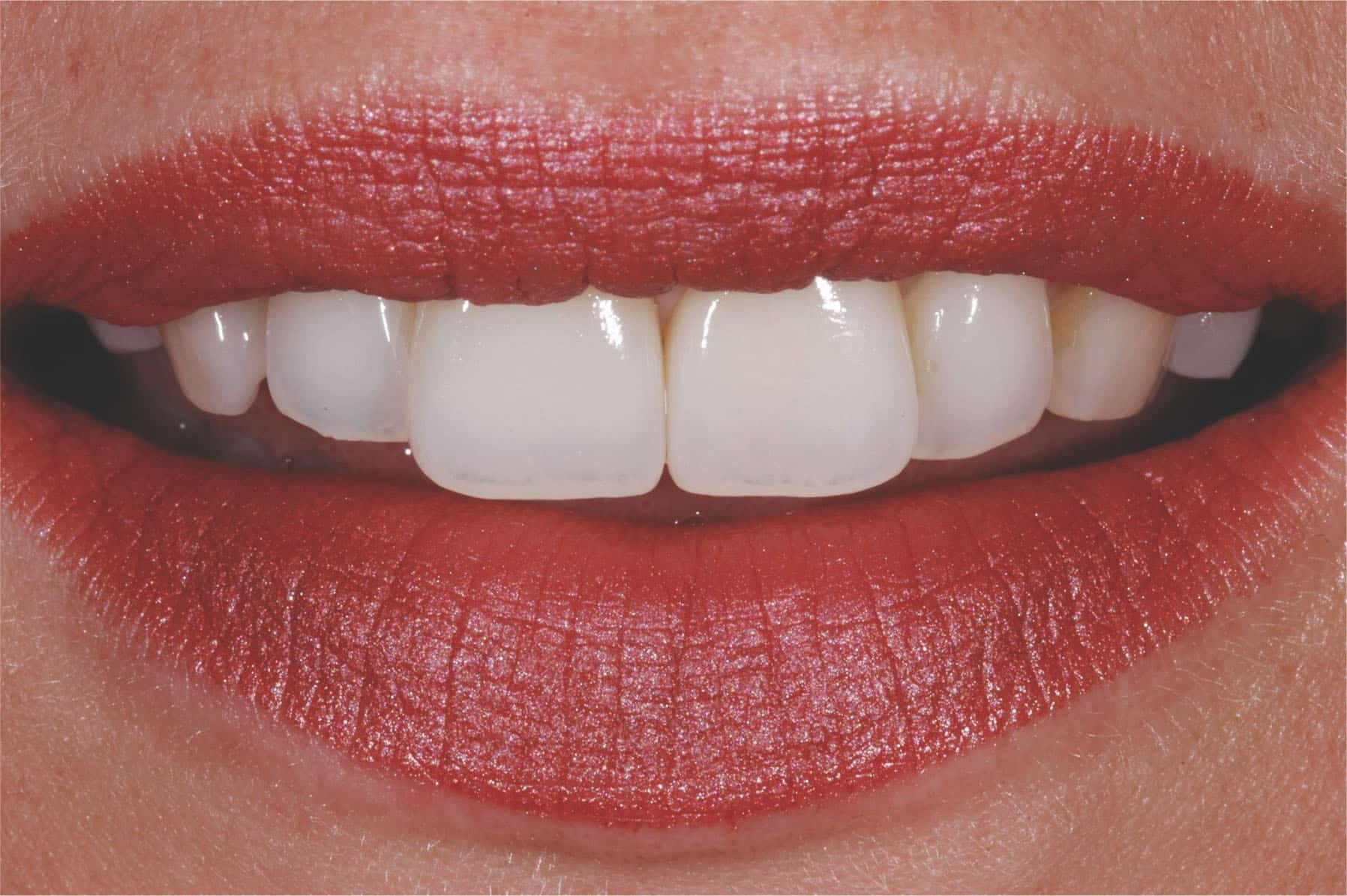
Original Materials
- Zirconia Layered
- CAD Zirconia
- Porcelain Fused to Metal
- IPS e.max
- IPS e.max ZirCAD
- CAD Full Gold Crown
- Empress
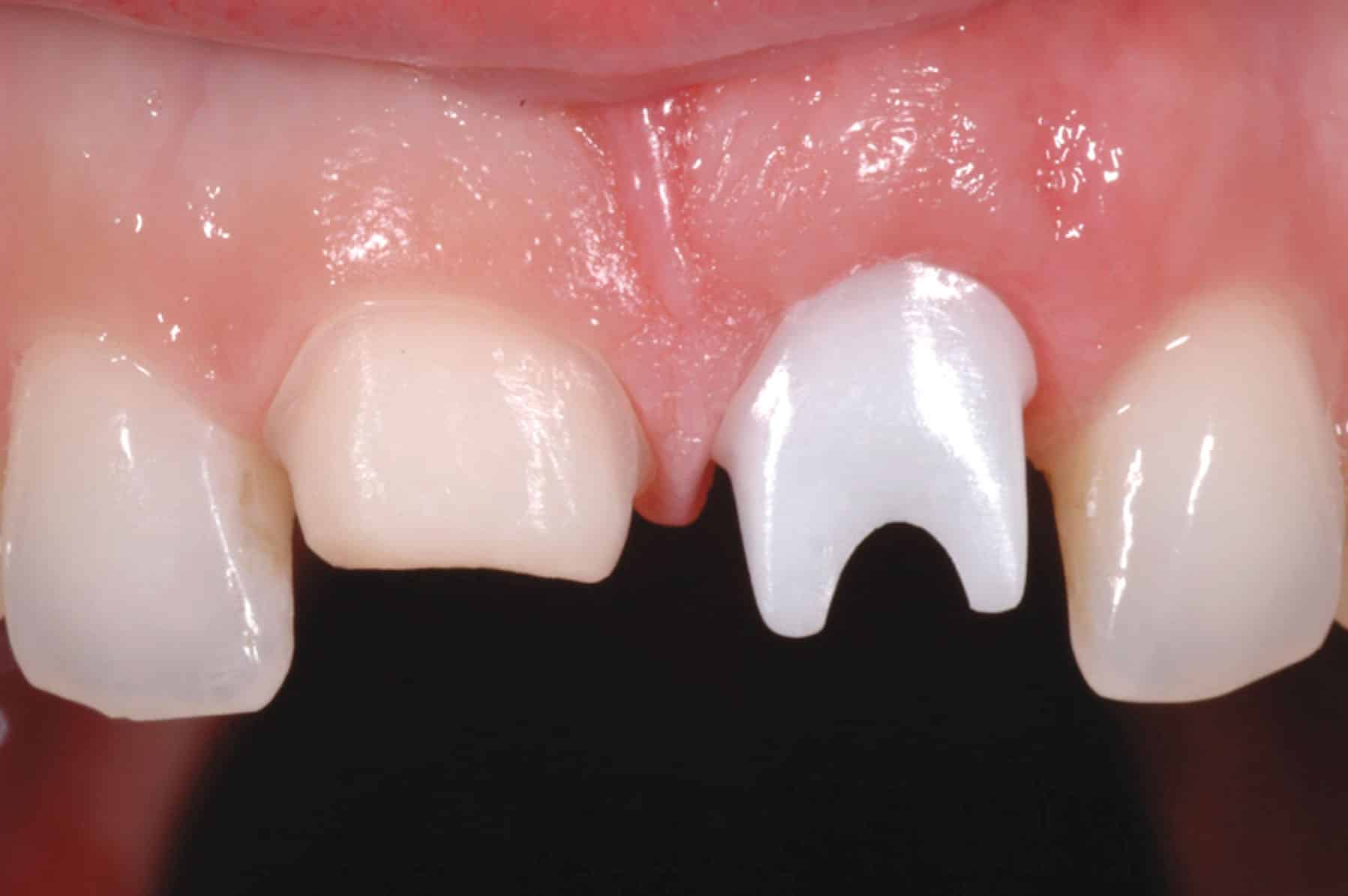
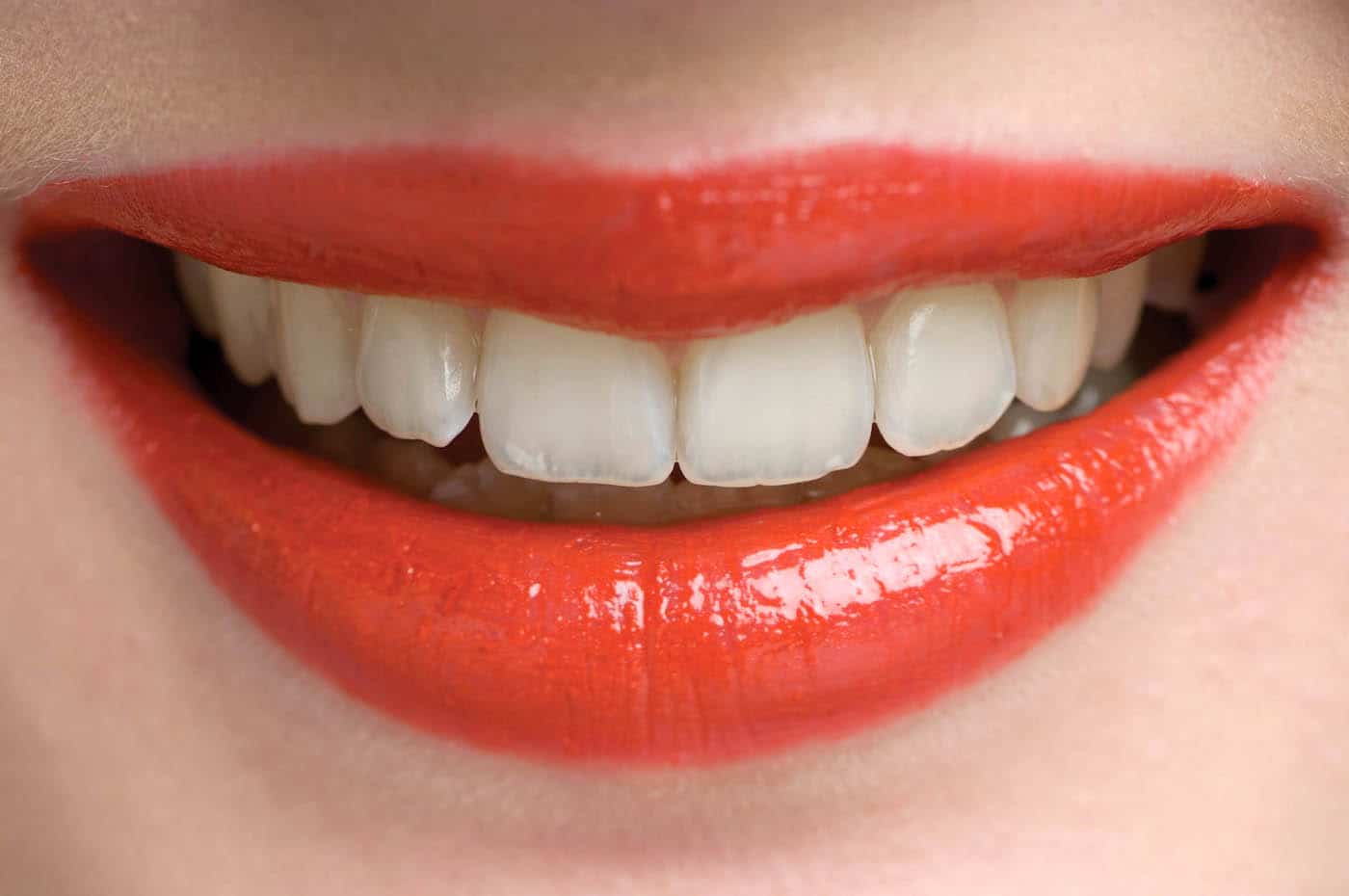
The Top-of-the-Line Products:
- Implants
- Crowns
- Bridges
- Full Mouth
- Veneers
- Surgical Guide
- Digital Printing
- Hybrid Bar
Digital Scan Requirements for Implant Dental Lab
As a digital implant dental laboratory, we require the following scans to ensure accurate implant restorations and consistent results:
- Pre-treatment full arch scan (without healing cap or scanbody), including gingival tissue and all adjacent teeth
- Scanbody scan
- X-ray confirmation of scanbody seating to verify full seating
- onfirm bevel placement; for multiple-unit implants, alternate bevel directions
- Full arch scan with scanbody in place, including gingival tissue
- Opposing full arch scan
- Bite registration on both sides, capturing at least 3–4 teeth; patient should be seated at approximately a 45-degree angle
Required Implant Case Information
In addition to scans, our implant dental lab requires the following information to ensure accurate case planning and restoration:
- Supplier name and phone number for the scanbody (for reference and compatibility, e.g., Atlantis)
- Scanbody manufacturer (e.g., Straumann)
- Implant details: manufacturer, platform, and size (e.g., Nobel Biocare, Internal, NobelActive RP 4.3)
- Surgeon’s report or chart, if available
- X-ray with scanbody in place to confirm positioning
If you need assistance with digital workflows, we can provide guidance and training. The Art of Aesthetics implant dental lab is compatible with major intraoral scanners, including:
- 3Shape TRIOS
- iTero (caLABrate)
- CEREC inLab
- Medit
- 3M True Definition
One-Stop Implant Dental Laboratory
The Art of Aesthetics is a complete one-stop implant dental laboratory. We support clinicians with comprehensive implant solutions, delivering consistent results across a wide range of implant systems and restorative needs.
Comprehensive Implant Services for Long-Term Partnership
We serve both domestic and international clients who expect world-class implant restorations without unnecessary cost. Our lab is built for long-term collaboration, supporting your restorative needs case after case.
We work with all implant systems and treat every case with the same level of importance. Our focus on efficiency and accuracy minimizes remakes and adjustments while maintaining consistent clinical outcomes.
30+ Years of Implant Expertise and Global Support
Our team includes highly experienced technicians specializing in implant restorations, with over three decades of focused expertise. We support implant restorative dentists across the United States and internationally, delivering reliable and consistent results.
For our long-term partners, we provide worldwide service with shipping support, regardless of location.
Transparent Pricing and Consistent Implant Workflow
With us, you pay a fixed price—no hidden fees. Simply send a digital intraoral scan, and we take care of the rest, including shipping. Our implant dental lab keeps all work in-house, under one roof, managed by a dedicated implant technician assigned to your practice. This allows full control at every step, ensuring consistency, accuracy, and predictable results in every case.
Support for Complex Implant Cases and Flexible Collaboration
We are not here to replace your dental laboratory. We are here to support your implant cases that require a higher level of expertise or when your local lab is not equipped or experienced. If you do not have a reliable local laboratory, you may also send all your cases to us.
Easy Access and Worldwide Service
Contact our implant dental laboratory anytime by phone, email, website form, or text. We provide responsive support and deliver high-quality implant restorations to clinicians worldwide.
Evolution of Dental Implants and Modern Implant Solutions
Dental implants have advanced significantly over the years. A smile plays a major role in first impressions, and for many patients, achieving a natural, confident smile is a priority. This is why dental implants have become a widely accepted solution for restoring both function and esthetics.
What Is a Dental Implant?
A dental implant is a long-term solution for replacing one or more missing teeth due to injury or infection. It serves as a stable foundation for restorations, supporting function and preventing further complications. Treatment suitability depends on bone condition, which is evaluated through imaging by the clinician. The full process may take several months, as healing and integration with the bone require time.
Advancements in Implant Dentistry and Accessibility
Advancements in medical and dental technology have significantly improved implant treatment outcomes. Decades ago, implant dentistry was limited by high costs, fewer component options, and restricted clinical applications. Earlier systems relied on limited abutment choices and traditional components, while experience and training were not widely established across clinicians and implant dental labs.
Today, expanded implant systems, improved materials, and digital workflows allow for more predictable, precise, and accessible implant restorations across a wider range of cases.
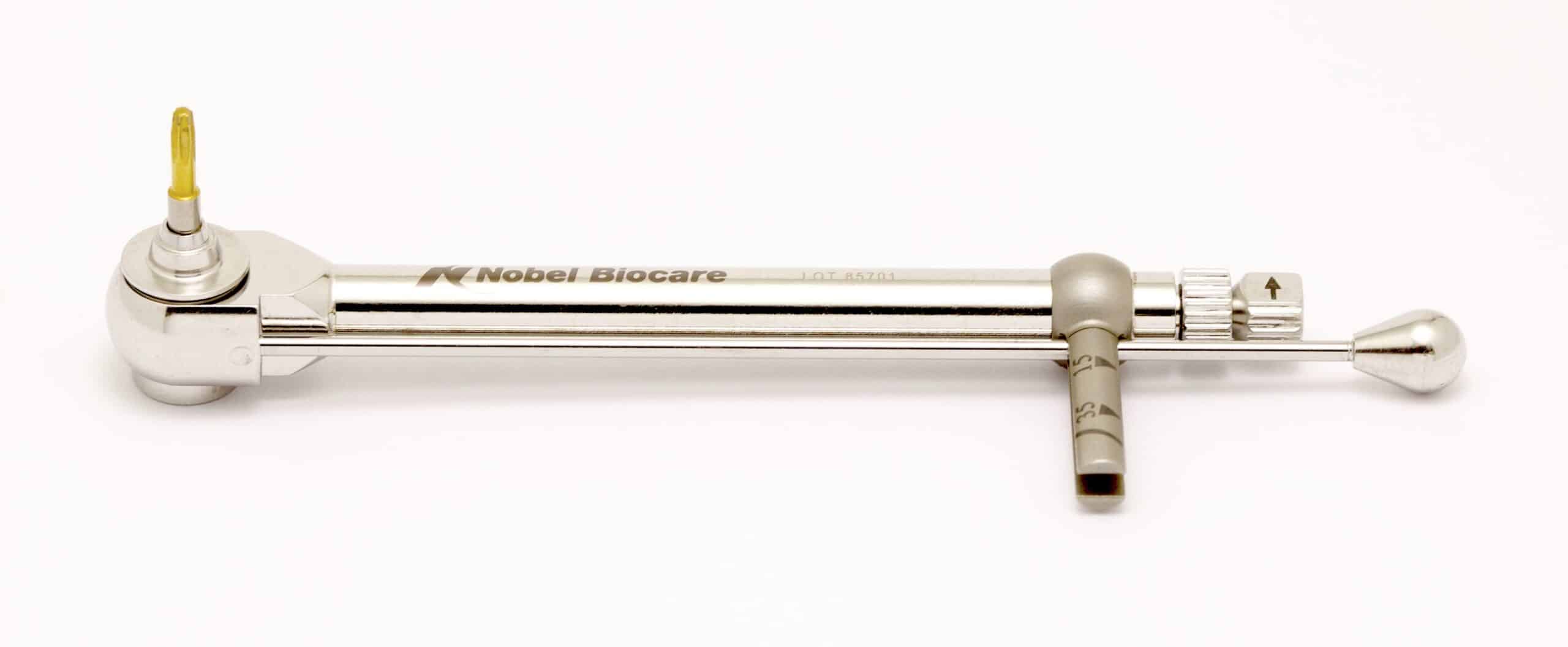
Zirconia Solutions in Implant Dental Laboratory
As a state-of-the-art implant dental lab, we utilize zirconium dioxide (zirconia, BruxZir, Lava) for custom abutments, implant crowns, and full-arch restorations. Zirconia provides strength, esthetics, and long-term reliability across a wide range of implant cases.
The Art of Aesthetics is a trusted source for zirconia-based implant restorations. We combine advanced materials, experienced ceramists with formal education, modern digital technology, and decades of clinical experience to deliver consistent, high-quality results. Contact us to learn how our implant dental lab can support your cases.
Implant Planning and Restoration Considerations
Everything you need to know about dental implants from an implant dental lab perspective.
Digital Surgical Guide Sleeve
Dentists specializing in dental implants perform procedures to place implant posts into the jawbone, followed by a healing period before restoration. An implant dental lab fabricates the final crowns and abutments after integration.
As a dental laboratory, we do not cover surgical procedures. Patients should consult their dentist for clinical evaluation and treatment planning.
For clinicians, we support surgical planning by providing digital surgical guides. If available, please submit CBCT data and digital files for fabrication of the surgical guide sleeve.
Screw-Retained vs. Cement-Retained Restorations
The choice between screw-retained and cement-retained restorations depends on clinical factors and preference. Screw-retained restorations allow retrievability and eliminate cement cleanup, while cement-retained options may offer improved esthetics in certain cases.
Factors such as implant position, angulation, location, and esthetic requirements influence suitability. Not all cases are appropriate for screw-retained restorations. If necessary, we may convert to cement-retained restorations when clinically indicated.
If screw-retained restorations are required, please specify in advance. For adjacent implant restorations, cement-retained solutions are often more appropriate.
Recommended Abutment and Crown Combinations
- Titanium Abutment (either customized or stock) – PFM, FGC, Full Zirconia
- Anodized Gold-hue Titanium (customized or stock) – Full Zirconia, Zirconia Layered, e.max
- Zirconia Abutment – Full Zirconia, Zirconia Layered, e.max
- Hybrid Zirconia- Titanium Abutment – Full Zirconia, Zirconia Layered, e.max
- Gold Abutment (known as UCLA or gold-plastic) – PFM, FGC, Full Zirconia, Zirconia Layered, IPS e.max
Healing Cap Protocol in Implant Dental Laboratory Workflow
Shaping Soft Tissue for Predictable Implant Outcomes
Healing caps play a foundational role in implant therapy. They do more than protect the implant; they condition the surrounding soft tissue. Using a larger healing cap before final restoration allows the gingiva to develop an ideal emergence profile, especially in esthetic zones. Rushing this phase often leads to compromised results. Coordination with an implant dental lab at this stage supports accurate crown design based on soft tissue architecture.
Healing Cap Duration and Tissue Stability
Timing is critical. In most cases, a larger healing cap should remain in place for approximately three weeks to allow proper tissue adaptation. Premature removal can destabilize the sulcus and affect impression accuracy and crown fit. Stable tissue improves both digital and conventional impressions, enabling the implant dental lab to deliver precise restorations with fewer adjustments.
Importance of Healing Cap Size in Implant Restorations
The size of the healing cap directly influences the final tissue contour. A wider cap that reflects the final crown dimensions helps guide the gingiva into a stable, natural form. Narrow caps may lead to tissue collapse, resulting in esthetic and functional challenges during restoration. Proper tissue shaping improves margin definition and reduces the risk of misfit.
Soft Tissue Health and Long-Term Implant Success
Healing caps also protect the implant site from trauma and bacterial exposure while supporting keratinized tissue stability. Proper soft tissue management helps maintain bone support and prevents complications such as black triangles or food entrapment. Collaboration with an implant dental lab ensures that emergence profiles and gingival contours are prosthetically driven.
Impression Accuracy and Clinical Timing
Accurate impressions depend on stable soft tissue. Gingival collapse can occur quickly after healing cap removal, so impressions should be taken immediately once removed. A properly conditioned sulcus—developed over several weeks—allows the implant dental lab to reproduce tissue contours accurately. Delays can lead to distortion and compromised results.
Small Component, Significant Impact
Although simple in design, healing caps have a major impact on implant outcomes. Proper size selection and adequate healing time improve esthetics, fit, and long-term stability. Early coordination with an implant dental lab ensures efficient workflow, accurate design, and predictable restorative success.
Implant Materials and Selection in the Implant Dental Lab
Selecting materials for implant restorations is a critical step that directly impacts function, esthetics, and long-term performance. Depending on patient needs and clinical conditions, common abutment materials include titanium, titanium gold-hue, zirconia, zirconia-titanium hybrid, and UCLA gold. Each material offers different advantages in strength, esthetics, and indication.
Common Implant Abutment Materials and Their Applications
Material selection should be based on clinical indication, implant position, esthetic requirements, and long-term durability. Titanium provides strength and reliability, while zirconia offers superior esthetics. Hybrid and gold-based options may be selected for specific restorative needs. Proper material selection supports predictable outcomes and reduces complications.
Evaluating Implant Manufacturers and Product Reliability
Most major implant manufacturers provide acceptable quality. Selection should be based on clinical performance, compatibility, and documented history. Clinicians should review publicly available regulatory information when evaluating manufacturers.
FDA Considerations and Recall Awareness
Clinicians can review safety and compliance history through the U.S. Food and Drug Administration database, including recalls and warning letters. Products associated with recalls or regulatory actions may indicate potential risk. Reviewing this information helps support informed decision-making when selecting implant systems.
Preferred Implant Restoration: Zirconia Abutment and Crown
The Art of Aesthetics is a high-end implant dental laboratory specializing in patient-specific zirconia abutments paired with zirconia crowns. This combination provides both strength and esthetics, making it one of the most reliable and natural-looking implant restoration options.
Layered zirconia crowns offer enhanced translucency and lifelike appearance while maintaining durability. We do not compromise on material selection or fabrication standards. This approach has made zirconia-based restorations a preferred choice among our clients.
Our technicians receive ongoing training to ensure consistent, high-quality results across every case. Patient satisfaction and long-term performance remain our priority.
Titanium Gold-Hue Implant Abutments (Patient-Specific)
Titanium gold-hue abutments are commonly selected for implant restorations where esthetics are critical, especially in anterior regions. Standard titanium may show through soft tissue, while gold-hue anodization reduces gray shine-through. These abutments pair well with zirconia or e.max crowns, improving overall esthetic outcomes. However, some patients may have sensitivity to titanium alloys, in which case zirconia or gold alternatives should be considered.
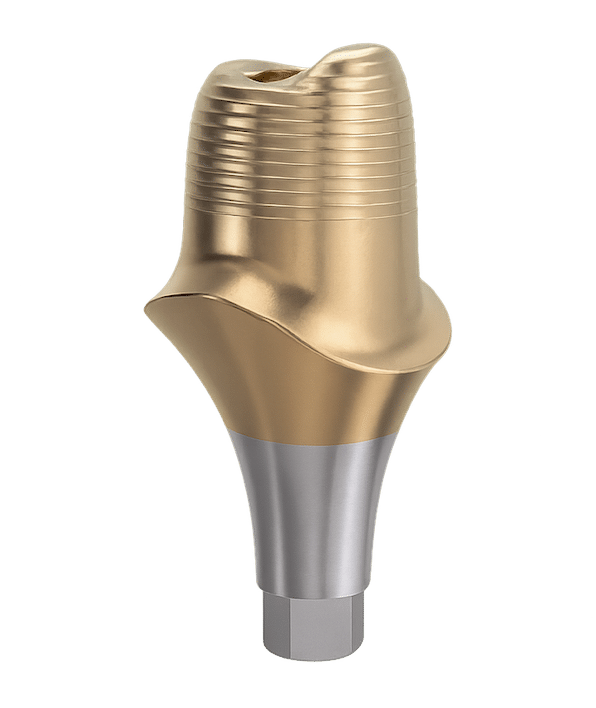
Titanium Gold-hue Patient-specific Abutment
Titanium Stock Implant Abutments
Titanium stock abutments are widely available and compatible with major implant systems. They may require modification to achieve proper fit and contour for each case. While cost-effective upfront, they offer less customization compared to patient-specific solutions. In complex or esthetic cases, limitations in contour and emergence profile may affect final results. For predictable outcomes, careful case selection is recommended.
We recommend patient-specific zirconia abutments when a one-piece design or no connector is preferred. While full zirconia one-piece abutments are available, they may present a higher risk of failure depending on the case. Our implant dental lab carefully evaluates material selection and design to ensure appropriate use and long-term reliability.
Patient-Specific Zirconia Implant Abutments
Patient-specific zirconia abutments provide superior esthetics and precise customization for implant restorations. Designed to match the final crown contour, they support optimal emergence profiles and soft tissue stability. Zirconia eliminates metal visibility and is ideal for anterior and high-esthetic cases. Advanced digital workflows allow accurate design and fabrication, resulting in consistent fit and long-term performance.
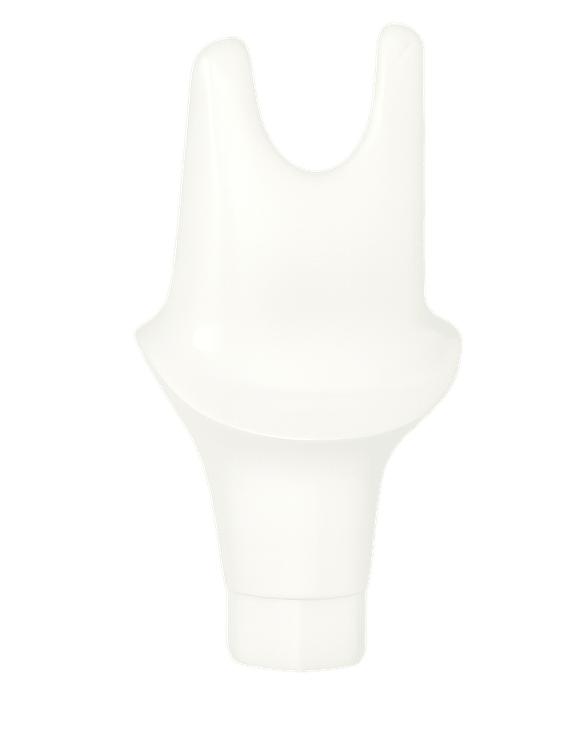
Patient-specific Zirconia Abutment
Patient-Specific Titanium Implant Abutments
Titanium is a durable, lightweight, and biocompatible material widely used in implant restorations. It offers strength, corrosion resistance, and long-term reliability across a wide range of clinical indications. Patient-specific titanium abutments are designed using CAD-CAM workflows, allowing precise control of angulation, size, and emergence profile.
This customization supports consistent fit and function for both anterior and posterior cases. While highly versatile, not all implant systems or platforms support full customization, which should be considered during treatment planning.
Zirconia-Titanium Hybrid Implant Abutments
Zirconia-titanium hybrid abutments combine the esthetics of zirconia with the strength of titanium. This design addresses the limitations of full zirconia abutments while maintaining durability and fracture resistance.
Hybrid abutments are suitable for a wide range of cases, including anterior and posterior restorations. They support both screw-retained and cement-retained restorations and are compatible with various crown materials, including monolithic zirconia, layered zirconia, and lithium disilicate. Their balanced performance makes them one of the most commonly selected options in implant dental lab workflows.
Gold (UCLA) Implant Abutments
Gold (UCLA) abutments are one of the earliest customizable implant abutment options. The plastic sleeve allows casting with dental alloys, enabling patient-specific design and adaptation to clinical anatomy. These abutments can be used for both abutment and crown fabrication in a single-unit or one-piece restoration.
While historically popular, their use has declined due to material cost and the advancement of digital workflows and alternative materials. However, gold abutments remain applicable in specific cases where casting flexibility and precision are required.
CAD-CAM Technology in Implant Dental Laboratory
Digital dentistry has transformed implant dental lab workflows, driven largely by zirconia and CAD-CAM technology. While CAD-CAM has existed for decades, advancements in intraoral scanning and 3D design have made it practical and widely adopted in implant restorations.
Modern digital workflows allow precise scanning of the patient’s mouth, improving accuracy, efficiency, and consistency in implant restorations. Today, CAD-CAM enables predictable outcomes that were not achievable with traditional methods.
Zirconia vs. Titanium in Implant Restorations
Zirconia and titanium each offer distinct advantages in implant abutments. Titanium provides excellent fracture resistance due to its flexibility, while zirconia offers high tensile strength and improved wear resistance. Material selection should be based on clinical indication, esthetics, and functional requirements.
CAD-CAM Customization and Implant Abutment Design
CAD-CAM technology allows precise customization of both titanium and zirconia abutments to match patient-specific anatomy. This improves fit, emergence profile, and overall restorative outcomes. High-quality manufacturing partners and validated systems support consistency and long-term reliability.
Metal-Free Zirconia Restorations and Indications
For solid zirconia abutments, zirconia or IPS e.max crowns are recommended to maintain a metal-free restoration. This combination provides optimal esthetics, particularly in anterior cases. However, case selection is important, as patients with heavy occlusion or parafunctional habits may require alternative material considerations.
Working with Digital Impressions in Implant Dental Lab
Digital impressions have improved the accuracy, efficiency, and consistency of implant restorations. In an implant dental lab workflow, intraoral scans allow precise capture of soft tissue, implant position, and occlusion without the distortion often associated with traditional impressions.
For optimal results, scans should include complete arch data, clear visualization of the scanbody, and accurate bite registration. Proper scan technique directly impacts abutment design, emergence profile, and final restoration fit.
Digital files can be submitted through major intraoral scanner systems or as STL files. Consistent scan quality enables the implant dental lab to deliver predictable results with fewer adjustments and remakes.
If needed, we provide guidance on scan protocols and digital workflows to support accurate case submission and efficient turnaround.
Impression Types and Digital Workflow
Preferred Impression Methods
We accept all impression types; however, we prefer conventional PVS for its higher reliability. Ensure the impression coping is fully seated and not rotated. Do not reuse implant components (copings, analogs), as worn parts can lead to misfit. If needed, we will replace unusable components.
Open Tray vs. Closed Tray Technique
The open tray technique is preferred due to improved accuracy and stability during transfer. Closed tray impressions are acceptable when necessary. Always confirm the coping is fully seated before impression.
Digital Impressions and 3D Models
We accept digital impressions from all major intraoral scanners and STL files. In-house 3D model printing allows faster turnaround and reduced cost. If using external model providers, allow additional processing time.
Include all required components with digital cases:
- Scanbody
- Implant analog
- Opposing and bite records
Case Submission Requirements
Incomplete cases will be placed on hold. Ensure all required information and components are included (shade, material, clearance, scanbody, analogs, etc.). If parts are missing, we can source them with accurate implant specifications (additional time required).
For best results, use original manufacturer scanbodies instead of generic versions.
Shipping and Turnaround
For PVS impressions, we provide free worldwide shipping labels. If submitting both digital and physical impressions, cases will be processed once all materials are received. Plan patient scheduling accordingly.
Implant Scanbody and Case Submission Accuracy
Understanding Implant Scanbodies
Many dental practices are unfamiliar with implant scanbodies, but they are essential for accurate digital impressions. Once understood, scanbody workflows are straightforward and critical for precise implant restoration design.
Recommended Scanbody Options
For best results, we recommend:
- Original scanbody from the implant manufacturer (e.g., Straumann)
- Atlantis scanbody when requesting Atlantis abutments (note: longer turnaround time)
While compatible or generic scanbodies are sometimes used, we achieve higher accuracy and consistency with manufacturer-specific or validated systems. If needed, our implant dental lab can assist in sourcing the correct scanbody.
Importance of Accurate Implant Information
Accurate implant details are critical, including brand, platform, and size (e.g., Straumann RC or NC). Incorrect or incomplete information leads to delays, added cost, and potential clinical complications. Verifying these details before submission improves efficiency and final outcomes.
Choosing the Right Implant Dental Laboratory
Selecting the right implant dental lab is essential for predictable results. Material selection, workflow, and technical expertise must align to achieve optimal outcomes. High-quality restorations require proper planning, accurate impressions, and experienced technicians. Consistency and reliability are key factors in long-term success.
Recommended Implant Restoration Combinations
Anterior Implant Restorations
- Zirconia abutment with layered zirconia or IPS e.max crowns for optimal esthetics (ideal for normal bite conditions)
Posterior and High-Load Conditions
- Titanium abutment with porcelain-fused-to-metal, full cast, or monolithic zirconia crowns for strength and durability
- Titanium gold-hue option when metal visibility is a concern
Versatile Hybrid Solutions
- Zirconia-titanium abutments with layered zirconia, e.max, or monolithic zirconia crowns for a wide range of indications
Alternative Options
- Stock or UCLA abutments when CAD-CAM customization is unavailable (case-dependent)
Clinical Workflow and Case Submission
Accurate impressions and clear instructions are essential for predictable results. Proper reduction, defined margins, and complete case details allow us to minimize adjustments and remakes while maintaining consistent quality.
We aim to deliver efficient, straightforward service supported by clear communication and reliable workflows.
Testimonials and Client Feedback
We have supported thousands of successful implant restorations. Client feedback reflects consistent quality, reliability, and long-term collaboration. Selected testimonials are available on our website.
Service and Payment Information
Our process is straightforward. Submit accurate impressions and clear work orders, and we deliver consistent results. We accept check and ACH payments, with credit card options available subject to processing fees. Please review our terms, conditions, and onboarding requirements before submitting cases.
Craftsmanship, Consistency, and Clinical Execution
Handmade Precision
The Art of Aesthetics combines advanced technology with highly skilled technicians to produce patient-specific implant restorations. Each case is designed to minimize chairside adjustments and deliver consistent, precise results.
Consistent Results with Modern Technology
Our workflow integrates the latest materials and digital technology to maintain consistency across every case. We do not compromise quality or rush production, ensuring predictable outcomes for both clinicians and patients.
Implant-Cosmetic Combination Restorations
Our ceramists specialize in implant-cosmetic cases, including full-mouth restorations and veneers. Diagnostic wax-ups and study models improve planning and final outcomes. For anterior all-ceramic restorations, provide detailed shade information, including dentin and final shade.
Efficient Workflow and Case Communication
We aim to complete cases correctly the first time. Provide complete clinical information, including patient preferences and reference photos when available. Accurate impressions with clear margins and stable bite records are essential for optimal results.
Local-Level Service with Global Reach
We support clinicians worldwide with responsive communication and reliable turnaround times. Detailed case information improves efficiency, especially for complex anterior restorations.
Selective Partnership with High-End Implant Dental Lab
Built for Quality-Focused Clinicians
Dentists are selective when choosing an implant dental laboratory, and that is essential for long-term success. As a high-end implant dental lab, we are equally selective. We work with clinicians who value precision, consistency, and craftsmanship over volume or lowest cost.
Many of our clients remain with us for years due to consistent results and reliable collaboration. If your priority is quality-driven implant restorations, we are aligned. If pricing alone is the deciding factor, we may not be the right fit.
In-House Expertise and Controlled Workflow
We are not a volume-based or outsourced operation. All critical processes are managed in-house, including design, milling, and model production, ensuring full control over quality and consistency. Our technicians are formally trained and selected for both technical skill and attention to detail.
This approach allows us to deliver predictable implant restorations without reliance on third-party production.
Efficient Turnaround and Global Support
Most implant cases are completed within approximately 10 working days, with faster turnaround for specific components such as custom abutments. We accept both digital and PVS impressions and support clinicians worldwide with reliable logistics and communication.
Comprehensive Implant Restoration Solutions
We provide fully customized implant restorations, including patient-specific abutments and a wide range of crown material combinations. Our team can assist in selecting the appropriate solution based on clinical requirements, esthetics, and function.
Biocompatible Zirconia and Esthetic Outcomes
Our zirconia restorations are biocompatible and FDA-cleared ceramic materials. Layered zirconia crowns provide natural translucency, color matching, and esthetic integration, particularly in anterior cases. These restorations support both functional durability and patient expectations for natural appearance.
Hybrid Zirconia Implant Abutments and Crowns
Strength and Esthetics in Hybrid Implant Restorations
The Art of Aesthetics implant dental lab provides customized zirconia-titanium hybrid abutments and crowns designed for both durability and esthetics. This combination leverages the strength of titanium with the esthetic advantages of zirconia, supporting predictable outcomes across a wide range of implant cases.
Consistent Quality Without Compromise
We maintain high fabrication standards while offering competitive pricing. Hybrid abutments provide a balanced solution for strength, fit, and long-term performance without compromising material quality or clinical results.
Compatibility with Major Implant Systems
We support most implant systems, including Nobel Biocare, Straumann, Zimmer Biomet, BioHorizons, Dentsply, Camlog, Neoss, MegaGen, and others. Accurate case submission—including implant details, impression copings, analogs, and screws—is required for proper fabrication.
Impression Requirements for Accurate Fit
Open-tray PVS impressions are preferred for accuracy. Closed-tray impressions are acceptable when necessary, but proper seating of the impression coping must be verified. All implant impressions should include full arch and opposing records to ensure correct occlusion and fit.
Implant Dental Lab Risks of Reused Parts and Generic Components
Reusing implant components or using generic parts may appear cost-effective, but these shortcuts can compromise accuracy, fit, and long-term outcomes. In implant dentistry, precision at every step directly affects patient satisfaction and clinical success.
Precision Requires Original Components
Implant systems are manufactured to strict tolerances. Reused copings, analogs, or abutments may lose their original shape or integrity. Generic components may not match OEM specifications, leading to misfit, screw loosening, or mechanical complications. An implant dental laboratory relies on precise, brand-matched components to ensure accuracy.
Risk of Contamination and Material Degradation
Used implant parts are exposed to biological contaminants. Even after sterilization, material integrity may be compromised. Repeated use can degrade plastics and coated metals, affecting fit and function. This increases the risk of remakes, adjustments, and clinical complications.
Lack of Regulatory Assurance in Generic Components
Original manufacturers follow strict regulatory standards, including FDA clearance and validated testing. Many generic components lack equivalent oversight. Variations in design, threading, or angulation can lead to clinical failure and increased liability.
No Warranty or Manufacturer Support
OEM components are typically backed by manufacturer support and replacement policies. Generic parts often offer no recourse when failures occur. This shifts the burden of remakes and patient management entirely to the clinician.
Impact on Fit, Function, and Patient Satisfaction
Improperly fitting components can result in microgaps, inflammation, bone loss, or peri-implant complications. These issues affect both function and esthetics, leading to patient dissatisfaction and potential damage to clinical reputation.
Short-Term Savings vs. Long-Term Cost
Initial cost savings from reused or generic parts are often offset by remakes, additional chair time, and lost patient trust. Long-term efficiency and predictability depend on using proper components from the start.
Team Training and Clinical Awareness
Implant component reuse often occurs unintentionally at the staff level. Ongoing training is essential to ensure all team members understand the importance of using new, original components. Your implant dental lab can assist with compatibility and verification.
Recommended Protocol for Implant Cases
Use only new, original components for each case, including impression copings, analogs, and healing abutments. Always match the exact implant system and platform. When in doubt, confirm with your supplier or implant dental lab before submission.
Turnaround and Third-Party Manufacturing Disclaimer
Certain implant components may be outsourced to third-party manufacturers (e.g., Atlantis or ZimVie). In these cases, turnaround times may vary and are outside our control. Please do not schedule the patient’s next appointment until case completion is confirmed. You may contact us for an estimated return date. If you experience difficulty during delivery, review any notes or instructions provided with the case, or contact our implant dental lab for support.