
Implant Crown and Bridge Dental Laboratory
Implant crown and bridge restorations at The Art of Aesthetics are designed to deliver consistent fit, precise margins, and natural anatomical form across a wide range of clinical cases. Each restoration is developed based on implant position, tissue condition, and restorative objectives to ensure accurate seating and functional integration. Attention is given to interproximal contact, emergence profile, and anatomical contour to support both esthetics and hygiene. Materials and design are selected to balance strength and appearance while maintaining structural reliability. Every case is reviewed to confirm margin integrity and overall fit prior to delivery, reducing the need for chairside adjustment. Whether restoring single units or multi-unit bridges, the objective remains consistent—provide restorations that fit predictably, function correctly, and align with clinical expectations in implant-supported dentistry.
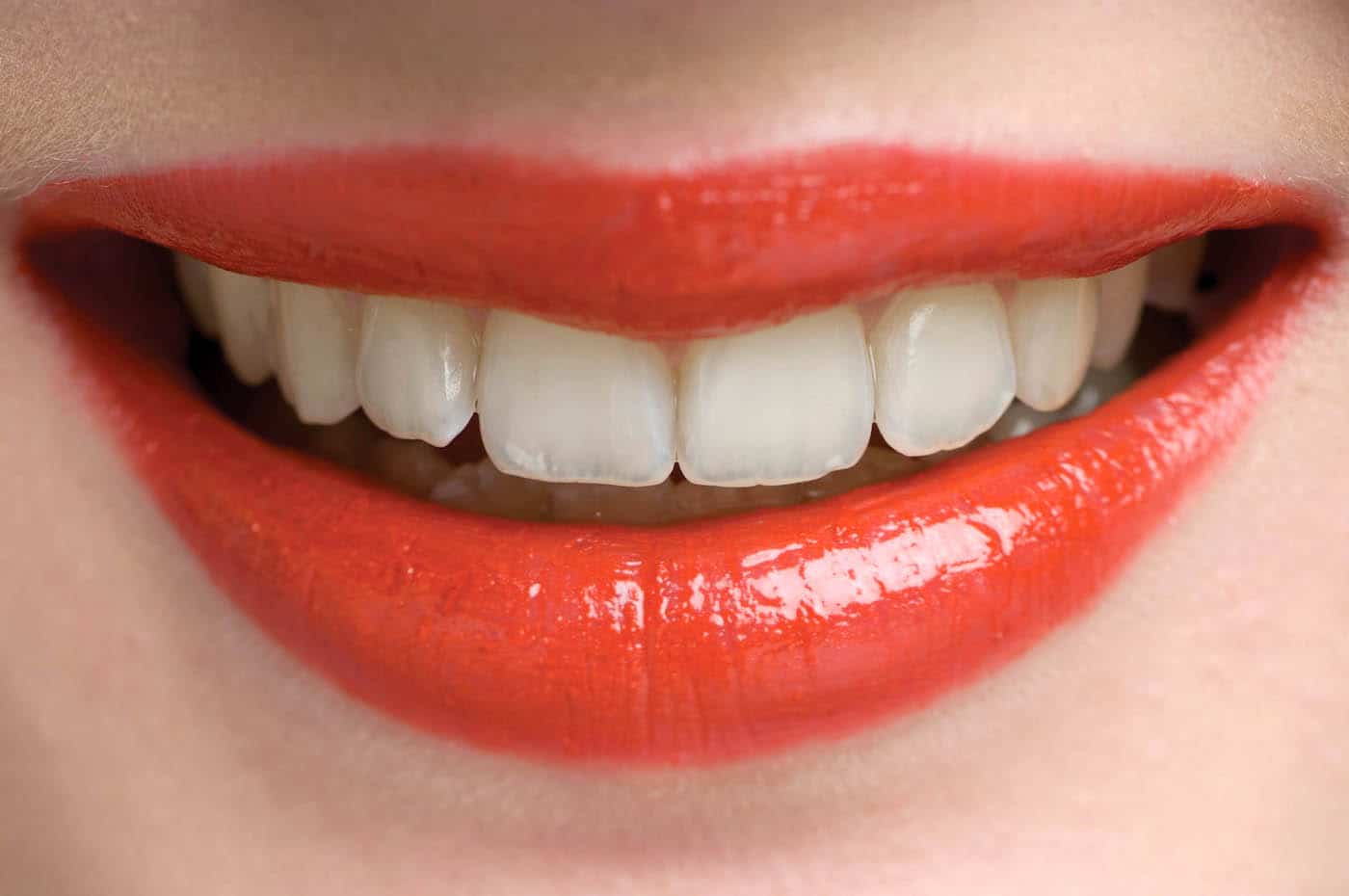
Precision in Implant Crown and Bridge Design
Each implant crown and bridge is designed to achieve consistent fit, accurate margins, and natural anatomical form. Careful control of contacts, contour, and material selection supports functional performance, esthetics, and hygiene, ensuring restorations seat predictably and perform reliably across both single-unit and multi-unit implant cases.
Single Unit Implant Crowns
Single unit implant crowns are designed to achieve precise fit, accurate margin adaptation, and proper occlusal integration. Each case is evaluated to ensure predictable seating and functional performance without unnecessary adjustment. Attention is given to emergence profile, interproximal contact, and anatomical contour to support both esthetics and hygiene. The objective is to deliver a restoration that integrates naturally within the dentition and performs consistently under normal functional conditions.
Implant-Supported Bridges
Implant-supported bridges require controlled design to maintain structural stability and proper load distribution across multiple units. Each case is developed to ensure consistency, accurate margins, and alignment with implant positioning. Framework design and material selection are balanced to support durability and long-term performance. Attention to occlusion and contact relationships helps minimize complications and ensures the restoration functions predictably across the entire span.
Margin Integrity and Fit
Margin integrity is critical to the long-term success of implant restorations. Each crown and bridge is evaluated for precise margin adaptation to support proper seating and minimize gaps. Accurate fit reduces the need for chairside adjustment and supports stability at the implant-abutment interface. Careful control of margin design ensures compatibility with surrounding tissue and contributes to predictable restorative outcomes across a range of clinical conditions.
Interproximal Contact Control
Interproximal contacts are carefully developed to achieve appropriate pressure and seating without open contacts or excessive tightness. Proper contact design supports stability of the restoration while maintaining patient comfort and hygiene access. Each case is evaluated to ensure contacts align with adjacent teeth and allow predictable seating. Balanced contact relationships help reduce adjustment time and contribute to consistent functional performance.
Anatomical Contour and Esthetics
Anatomical contour is developed to reflect natural tooth form while supporting functional and esthetic requirements. Each restoration is shaped to maintain proper emergence profile, occlusal anatomy, and integration with surrounding dentition. Attention to contour supports both appearance and hygiene by allowing proper cleaning access. The objective is to deliver restorations that look natural and function effectively within the patient’s oral environment.
Material Selection and Strength
Material selection is based on clinical requirements, including implant position, occlusal load, and esthetic demand. High-strength materials are used where durability is critical, while more translucent options may be selected for esthetic regions. Each case is evaluated to balance strength, reliability, and appearance. Proper material selection supports structural integrity and ensures consistent performance in both single-unit and multi-unit implant restorations.
Occlusion and Functional Integration
Occlusion is developed to achieve balanced force distribution across implant-supported crowns and bridges. Each case is evaluated to ensure functional harmony with the opposing dentition while minimizing excessive load on individual implants. Proper load distribution supports stability and reduces the risk of mechanical complications.
Implant-Protected Occlusion
Implant restorations lack periodontal ligament movement, requiring controlled occlusal design. Occlusal intensity and contact timing are carefully managed to protect implant components and maintain long-term function under normal loading conditions.
Contact Timing and Seating
Contacts are designed to allow proper seating without interference. Premature contacts are avoided to ensure the restoration seats fully and functions as intended. This reduces chairside adjustment and improves overall efficiency at delivery.
Lateral and Excursive Movements
Excursive movements are evaluated to minimize lateral stress on implant restorations. Proper guidance and contact control help maintain stability and prevent unnecessary strain on implant-supported crowns and bridges.
Posterior Load Management
Posterior regions experience higher occlusal forces. Design considerations focus on controlling load intensity and ensuring structural support to maintain durability and functional performance.
Functional Longevity and Stability
All occlusal factors are developed to support consistent performance under function. Proper integration within the occlusal scheme helps maintain stability, reduce complications, and ensure predictable outcomes over time.
Implant and Natural Tooth Bridging Considerations
Bridging implants with natural teeth is generally not recommended due to differences in mobility and load response. Implants are rigid, while natural teeth have periodontal ligament movement, which can create stress within the restoration. However, clinical conditions may vary, and case-by-case evaluation is required. In selected situations, this approach may be considered based on prosthetic design, occlusion, and overall treatment objectives.
Consistency and Predictable Outcomes
Consistency is critical in implant crown and bridge restorations, where small variations can lead to significant clinical differences. At The Art of Aesthetics, each case follows a controlled and repeatable workflow to ensure predictable fit, margin accuracy, and anatomical consistency. Variations in impression quality, implant position, and clinical technique are evaluated and addressed during the design phase to maintain uniform results. This approach allows clinicians to rely on consistent outcomes without adjusting expectations from case to case. Each restoration is reviewed prior to delivery to confirm alignment with clinical requirements and restorative objectives. By maintaining consistency across all cases, chairside adjustments are minimized and efficiency is improved. The objective is to deliver restorations that perform reliably, integrate seamlessly, and meet the same standard of quality every time.
Soft Tissue Conditioning Before Impression
Soft tissue conditioning before impression is critical for accurate implant restorations. Placement of a healing cap for approximately three weeks or longer allows tissue stabilization and development of a consistent emergence profile. Premature impressions may capture unstable tissue, leading to margin discrepancies and compromised fit. Proper tissue maturation supports predictable outcomes and reduces adjustment at delivery.
Start with a Case and Evaluate the Difference
The most effective way to assess an implant dental laboratory is through actual clinical results. Submit a case and evaluate fit, margin accuracy, contact, and anatomical detail at delivery. Each restoration is developed with controlled design and review to minimize adjustment and ensure predictable seating. This approach allows direct comparison with current workflows without committing to a full transition. Clinical feedback is incorporated to align preferences and refine consistency from the start. Whether beginning with a single unit or a bridge case, the objective is to demonstrate reliability through performance, not claims. A properly executed case establishes trust, sets expectations, and provides a clear basis for expanding future implant crown and bridge work.