
Zirconia Implant Crowns Dental Laboratory
At The Art of Aesthetics, zirconia implant crowns are fabricated with precision, consistency, and aesthetic control tailored for implant-supported restorations. Every case is designed to achieve passive fit, accurate occlusion, and predictable soft tissue response. High-translucency zirconia is used where esthetics are critical, and high-strength zirconia where function dominates, without compromising marginal integrity. Digital workflows are fully supported, including iTero, 3Shape, Medit, and STL submissions, allowing precise communication and repeatable results. Each zirconia implant crown is evaluated for emergence profile, contact integrity, and occlusal harmony before delivery. This is not mass production. Every case is individually reviewed to ensure it meets clinical expectations and long-term performance. For dentists who prioritize fit, strength, and esthetics in implant restorations, this is a laboratory built for that standard.
Zirconia Implant Crowns for Restorative Dentists
Zirconia implant crowns at The Art of Aesthetics are designed specifically for restorative dentists managing implant-supported cases in daily practice. The focus is on delivering consistent fit, predictable occlusion, and natural esthetics without unnecessary adjustments at seating. Each case is reviewed for margin integrity, interproximal contact, and occlusal harmony based on the clinical information provided. Digital submissions from iTero, Trios, CEREC, Medit, or STL files are fully supported, allowing precise communication and repeatable outcomes. These are not treated as routine production cases. Every restoration is evaluated individually to align with preparation design, tissue condition, and restorative goals. Whether restoring a single posterior implant crown or multiple units, the objective remains the same: to reduce chair time, eliminate guesswork, and deliver restorations that seat with confidence and perform long-term.
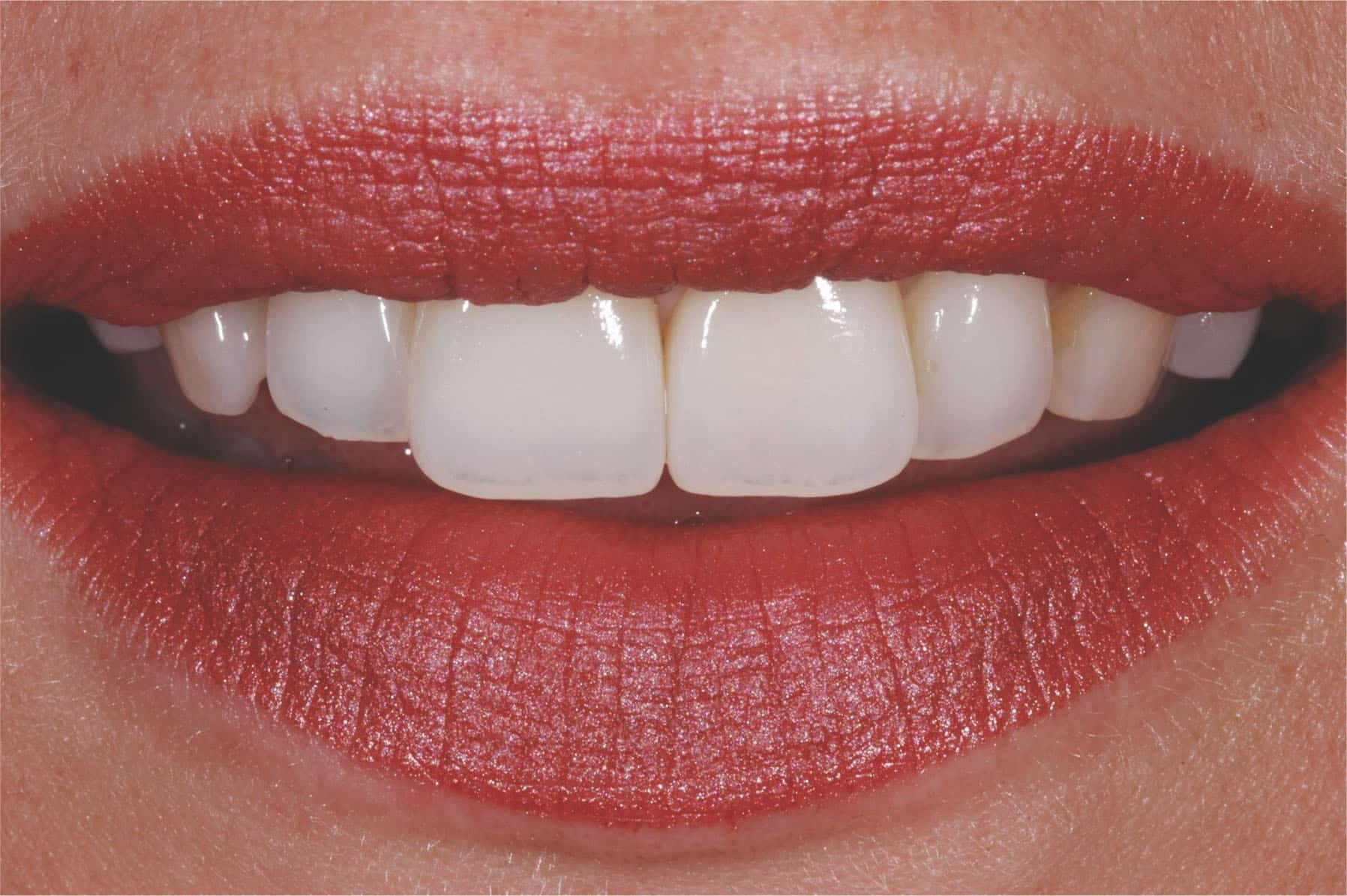
Precision Fit and Passive Seating for Implant Crowns
Achieving a precise fit and passive seating is critical for the success and durability of implant restorations. At The Art of Aesthetics, zirconia implant crowns are designed to seat accurately on the implant or custom abutment without stress, minimizing complications such as screw loosening or marginal discrepancies. Each case is evaluated for internal fit, margin adaptation, and contact pressure before delivery. Close attention is given to the emergence profile and soft tissue support to ensure the final restoration integrates naturally with surrounding structures. Digital workflows control tolerances and reduce variability, while physical model verification adds an additional layer of accuracy when needed. The goal is simple: a restoration that seats smoothly, requires minimal adjustment, and performs predictably under function. This level of precision is not optional in implant dentistry—it is the baseline requirement for consistent, reliable outcomes.
Occlusion and Contact Designed for Immediate Function
Occlusion and interproximal contact are established to function correctly at delivery, not after adjustment. At The Art of Aesthetics, each zirconia implant crown is evaluated to achieve balanced occlusion, controlled contact pressure, and functional harmony with the opposing dentition. Because implant restorations lack periodontal ligament movement, they are less forgiving to discrepancies, requiring precise control of occlusal intensity and articulation. Emergence profile is carefully developed to support soft tissue architecture and maintain biologic stability while allowing for proper hygiene. Digital articulation, combined with technician oversight, ensures predictable occlusal relationships, while detailed anatomical contouring enhances both function and esthetics. Whether anterior or posterior, the objective remains consistent—minimize chairside adjustment and deliver a restoration that integrates seamlessly into the occlusal scheme and performs as intended upon seating.
Consistency Is the Key
Consistency defines everything at The Art of Aesthetics. Every zirconia implant crown follows a controlled, repeatable workflow to ensure the same level of precision, occlusion, and esthetics with every case. No variability, no surprises. Expectations do not need to be reset case by case—each restoration is delivered to fit, function, and present correctly from the start.

Digital Workflow for Implant Crown Precision
A controlled digital workflow is essential for achieving precision in zirconia implant crowns. At The Art of Aesthetics, digital submissions from iTero, Trios, Cerec, Medit, and open STL files are fully supported, allowing accurate transfer of clinical data without distortion. Each case is designed using CAD systems that control margin integrity, contact relationships, and occlusal scheme with high repeatability. Digital articulation simulates function, while technician oversight ensures the design reflects real clinical conditions. When required, a physical working model is fabricated to verify fit prior to final production. This hybrid approach combines digital accuracy with practical validation. The result is a restoration that reflects the original scan, seats as intended, and minimizes chairside adjustment. For restorative dentists, this translates into a more predictable workflow, efficient turnaround, and consistent outcomes across implant cases.
Start with a single case at The Art of Aesthetics Zirconia Implant Dental Laboratory to evaluate fit and consistency before transitioning to additional implant work.
Send Your Implant Case Today
If you are seeking a dental laboratory that delivers precision, consistency, and predictable implant restorations, The Art of Aesthetics is structured to support that standard. Case submission is straightforward. Impressions may be sent through intraoral scanning systems or as conventional models with a detailed prescription. Each case is carefully reviewed prior to fabrication to ensure alignment with clinical expectations. Communication is direct and purposeful, allowing preferences and adjustments to be incorporated early in the process. Whether beginning with a single evaluation case or transitioning additional implant work, the objective remains consistent—deliver restorations that fit accurately, function properly, and meet clinical standards without unnecessary chairside adjustment. Begin with one case and assess the difference in fit, consistency, and overall outcome.