
Digital Implant Dental Laboratory
Digital implant restorations at The Art of Aesthetics are designed to integrate seamlessly with intraoral scan workflows for predictable and efficient outcomes. Cases submitted through iTero, 3Shape Trios, Medit, and CEREC inLab are developed with precise control of margins, contacts, and occlusion based on the digital dataset. Each restoration is designed to reflect the original scan data while accounting for clinical requirements such as tissue condition, implant position, and restorative objectives. Digital articulation and design verification support accuracy and consistency across cases. The workflow reduces distortion associated with traditional impressions and allows for clear communication of design intent. Each case is reviewed prior to fabrication to ensure alignment with clinical expectations. The objective is to deliver restorations that seat accurately, require minimal adjustment, and perform predictably within a fully digital implant workflow.
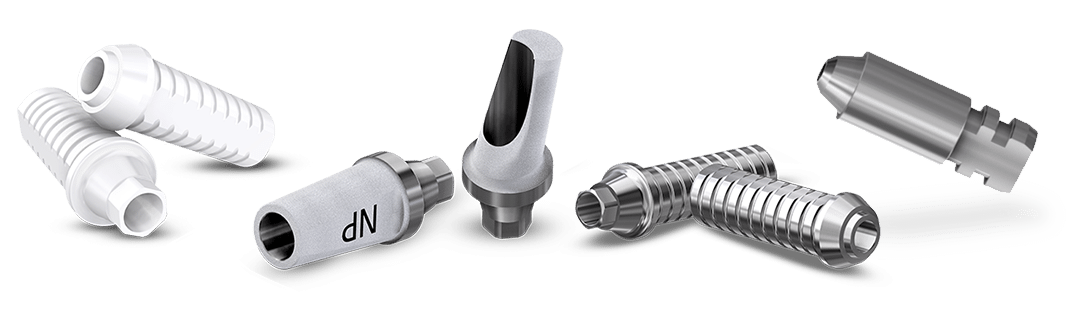
Intraoral Scanner Compatibility
Designed to integrate with leading intraoral scanning systems, ensuring accurate data transfer, efficient workflows, and predictable implant restoration outcomes across different digital platforms.
iTero Intraoral Scanner
iTero scans are supported with direct integration, allowing precise margin capture and consistent digital data transfer. Each case is processed to maintain scan integrity while aligning with restorative design, occlusion, and implant positioning requirements for predictable clinical outcomes.
3Shape TRIOS
3Shape TRIOS workflows are supported through open integration, enabling accurate scan submission and efficient case processing. Digital data is evaluated to ensure proper margin definition, contact relationships, and occlusal accuracy for consistent implant restoration performance.
Medit Intraoral Scanner
Medit scans are accepted through open STL workflows, providing flexibility and reliable data transfer. Each case is reviewed to ensure alignment with restorative objectives, supporting accurate fit, controlled occlusion, and consistent implant restoration outcomes.
CEREC inLab
CEREC inLab systems are supported to facilitate chairside and laboratory collaboration. Scan data is processed to maintain accuracy and ensure proper integration with implant restorations, supporting efficient workflows and predictable results.
Open STL Workflow
Open STL files are accepted from various intraoral scanning systems, allowing flexibility in case submission. Data is processed to preserve accuracy while ensuring compatibility with restorative design and implant requirements.
Digital Case Integration
All submitted scan data is evaluated and integrated into the design process to ensure accurate margins, proper occlusion, and alignment with implant positioning. This supports consistent, predictable outcomes across digital implant workflows.
Emergence Profile and Soft Tissue Management
Emergence profile and soft tissue management are critical in custom implant abutment design. Each abutment is developed to support natural tissue contour while maintaining cleansability and biologic stability. A proper emergence profile helps guide soft tissue healing, supports papilla formation, and contributes to esthetic integration, particularly in anterior regions. Margin placement is carefully controlled based on tissue condition and restorative requirements to avoid excessive subgingival depth while preserving esthetics. Abutment contour is designed to balance tissue support with hygiene access, reducing the risk of inflammation and long-term complications. Implant position and angulation are also considered to ensure the final restoration integrates naturally with surrounding structures. The objective is to create a stable and predictable foundation that supports both soft tissue health and restorative success across a wide range of implant cases.
Analog and Impression Coping Handling
When using analogs and impression copings, components should not be reused or transferred from previous stone models. Even minor wear, distortion, or surface defects can alter implant positioning and compromise the accuracy of the final restoration. These small discrepancies may lead to misfit, occlusal issues, and unnecessary chairside adjustments. Using new, undamaged components for each case helps preserve accuracy from impression to final delivery. Proper handling and verification at this stage reduce variability and prevent avoidable complications. The objective is to maintain precise transfer of implant position and ensure predictable fit, minimizing frustration for both clinicians and patients.
Accuracy and Data Integrity in Digital Impressions
Accuracy in digital implant restorations depends on the integrity of the captured scan data. At The Art of Aesthetics implant dental laboratory, each intraoral scan is evaluated to confirm margin clarity, scan completeness, and correct implant positioning before design begins. Incomplete scans, stitching errors, or distorted data can lead to misfit and require correction at later stages. Particular attention is given to scan body capture, surrounding tissue definition, and occlusal records to ensure reliable digital articulation. Verification at this stage reduces downstream adjustments and improves consistency across cases. The goal is to identify and correct issues early, before fabrication, rather than compensating later. Maintaining high-quality scan data ensures that the final restoration reflects the intended design, seats accurately, and performs predictably within the clinical environment.
Digital Occlusion and Contact Control
Digital occlusion and contact control are critical in implant restorations due to the absence of periodontal ligament movement. At The Art of Aesthetics, occlusal relationships are developed using digital articulation to simulate functional conditions based on the submitted scan data. Each case is evaluated to ensure balanced occlusion, appropriate contact pressure, and proper integration with the opposing dentition. Special attention is given to posterior load distribution and anterior guidance to minimize excessive forces on implant-supported restorations. Interproximal contacts are also controlled to achieve proper seating without excessive tightness or open contacts. By establishing occlusion and contacts within the digital workflow, the need for chairside adjustment is reduced. The objective is to deliver restorations that function correctly at insertion and maintain stability under normal functional load.
Consistency Across Digital Workflows
Consistency across digital workflows is essential for predictable implant restoration outcomes. At The Art of Aesthetics, each case follows a structured process to ensure repeatable results regardless of the scanning system used. Variations in scan quality, file format, and clinical technique are evaluated and adjusted during the design phase to maintain uniform standards. This approach reduces variability and ensures that restorations meet the same expectations for fit, occlusion, and esthetics across different cases. By maintaining consistency, clinicians can rely on predictable outcomes without needing to adjust workflows or expectations case by case. The objective is to create a stable and repeatable process that supports efficiency, reduces chairside time, and delivers reliable results within a fully digital implant workflow.
Case Submission and Workflow
Submitting a digital implant case to The Art of Aesthetics Implant Dental Laboratory is designed for clarity and efficiency. Cases may be submitted through intraoral scanning systems or by uploading STL files, along with a detailed prescription outlining implant system, restorative goals, and specific instructions. Each case is reviewed prior to design to confirm data accuracy, completeness, and alignment with clinical requirements. Communication is direct and focused, allowing any necessary adjustments to be addressed early in the process. For new clients, starting with a single case is recommended to evaluate fit, occlusion, and overall consistency. This initial step establishes workflow alignment and expectations. The objective is to provide a streamlined process that delivers predictable results with minimal chairside adjustment and consistent performance across digital implant cases.